Chris Reino
Editor — visas, residency and everyday life
Chris is based in Spain and has spent his working life in international tourism and residential services, on the side of it that deals with people arriving rather than people on holiday. On HolaRetire he looks after the guides on visas, residency paperwork and settling in, and checks them against what the consulates and the Spanish administration actually publish.
Guides by Chris Reino

How to retire in Spain from the US: the legal steps that actually matter
Moving from the US to live in Spain sounds romantic until you face the paperwork. This guide walks through the visa, arrival and residency steps you’ll actually do, what papers to prepare (and apostille), how long each stage takes and what costs to budget for.

How to retire in Spain from the USA: the practical legal steps
Yes—you can retire in Spain from the USA. This guide walks you through the visa you’ll most likely use, the paperwork, realistic costs (health insurance, movers, first-year living), and the exact next steps once you land.

Spain retirement visa: how to get a non‑lucrative visa and what to expect
A practical, step‑by‑step guide to applying for the Spain retirement visa (non‑lucrative): forms, insurance, proof of funds, timelines and how to recover from the mistakes most people make.

Can you retire in Spain with a visa? A clear how-to for the non-lucrative route
If you’re not an EU/EEA/Swiss citizen the usual way to retire in Spain is the non-lucrative (no-work) visa. This guide explains what it actually lets you do, the exact documents you’ll be asked for (EX-01, medical certificate, criminal record, private insurance), the money proof you’ll need and the practical problems people only notice after they arrive.

Spain non-lucrative visa: the step-by-step guide for retirees (NLV)
You must prove financial means equal to 400% of the IPREM for the main applicant (plus 100% for each dependent) to get a Spain non‑lucrative visa. This guide shows the forms, the documents your consulate will actually check, timelines and the tasks worth paying a professional for.

Retiring to Spain: step-by-step legal guide for non-EU retirees
If you’re not an EU/EEA/Swiss citizen, expect to show private health insurance plus roughly €24,000–€36,000 a year (varies by consulate) and to file form EX‑01 at your Spanish consulate.

Moving to Spain from the US: legal steps, costs and first 90 days
Yes—you can move to Spain from the US, but how you do it depends on whether you’ll retire, buy property or work. This guide walks the visa choices, what to do in the first 30–90 days, realistic costs and the precise documents consulates want.

Medical certificate for the Spain non-lucrative visa: wording and template rules
Yes — you need a formal medical certificate for the Spain non‑lucrative visa. It must be recent, signed by a licensed doctor, state you pose no public‑health risk, and usually be apostilled and translated. Here’s the wording consulates expect and a template you can give your GP.

Retiring in Marbella: complete guide
Concrete budgets, the neighbourhoods that match them, how healthcare and residency actually work, and the one surprise most newcomers only discover after moving. Rent a year first, budget for community fees, and bring patience for August crowds.

Scams targeting foreign retirees in Spain — how to avoid them
Scams aimed at foreign retirees in Spain are common but avoidable. This guide names the scams you’ll meet before and after you move, gives concrete verification steps (what to ask for, who to call), and a checklist for rentals and property purchases.

North vs South Tenerife for retirement: which side should you pick?
Tenerife splits in two: green, cooler north and sun-drier, tourist-heavy south. This guide compares weather, rent and buy costs, healthcare, transport and everyday life — and tells you which side most retirees should pick and why.

Retiring in Catalonia: costs, regions and what to expect
Most people pick Catalonia because of Barcelona or the Costa Brava, then discover there are four very different Catalonias — city, coast, inland plains and the Pyrenees. This guide tells you what each costs, where your money buys most, how healthcare actually works, and the concrete steps that change once you register as a resident.

Retiring in Málaga province white villages: Ronda, Frigiliana and inland life
Want calm streets, mountain views and real Spanish village life — but not total isolation? This guide compares Ronda, Frigiliana and the smaller inland white villages: who they suit, what living costs, how healthcare works and the exact next step you should take to test them for yourself.

Affordable towns in the Valencian Community for retirement — beyond the coast
If you assume the Valencian Community equals seaside resorts, you’re missing half the picture — and a lot of affordable towns. This guide names places worth visiting, what budgets buy, healthcare access, everyday costs and the one surprise most new arrivals only learn after they move.

Luxury retirement in Marbella: gated communities and services
If you want a secure, serviced retirement in Marbella — yes, gated communities deliver comfort, privacy and concierge-style services. Here’s which areas match different budgets, how much the extras cost, the healthcare picture, common pitfalls and how people fix them.

Golf retirement on the Costa del Sol: courses, communities and costs
About 70 courses, a lot of choice — and a few traps. This guide explains which towns suit which budgets, what living there actually feels like (including the part nobody warns you about), healthcare access, everyday costs, and the legal questions to ask before you buy.

Padrón benefits for residents: discounts and services registration unlocks
The padrón is the municipal register that gives you access to local discounts and services — it's free, requires ID plus proof of address (rental contract or utility bill), and you should do it as soon as you move in. This guide shows exactly what to bring, how to register, common roadblocks and which discounts you can expect.

Reapplying after a Spain visa rejection: appeals and second attempts
A consulate refusal is not the end—but how you react makes the difference. Read this for the real options (administrative appeal, court case, or a smarter reapplication), the exact deadlines you’ll meet, a paperwork checklist and the one mistake almost everyone makes.

Scandinavian retirees in Spain: registration, pensions and healthcare
If you draw a Nordic public pension and plan to live in Spain you can keep that pension and usually access Spanish public healthcare with an S1 form — but you must register in a specific order. This guide walks through the paperwork, the regional wrinkles and the quick mistakes I see people make.

German and Dutch retirees in Spain: registration, pensions and healthcare
A practical step-by-step for German and Dutch retirees: how to register as a resident, get Spanish public healthcare with an S1, keep your home pension paid into a Spanish account and what usually goes wrong.

Irish citizens retiring in Spain: EU rights and practical steps
Yes: as an Irish citizen you have the EU right to live and retire in Spain. This guide walks you through the paperwork you actually need (padrón, NIE/registration, S1 for healthcare), the things people stall on, and which bits are worth hiring a gestor or lawyer for.

Spanish citizenship after retiring in Spain: the 10-year path
You don’t get citizenship the day you turn five years a permanent resident. For most retirees the route is a long, bureaucratic 10‑year residency pathway — with language and civic tests, police checks, apostilles and local paperwork. This guide says what you actually need, where it varies, and the concrete next steps.
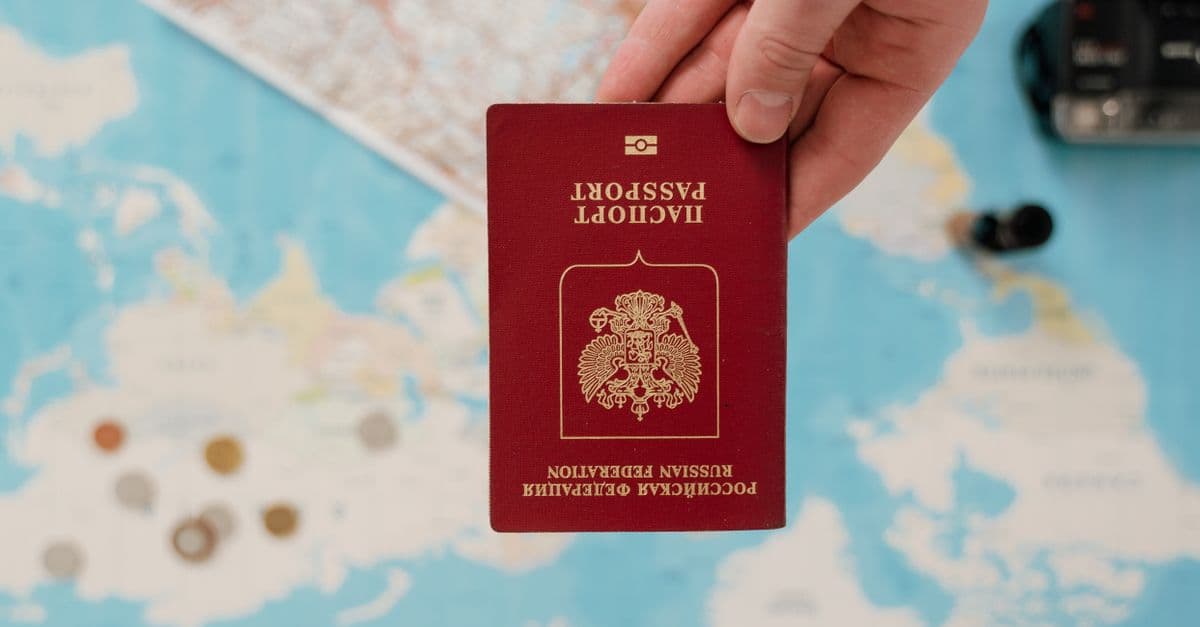
Travelling in the Schengen area as a Spain non‑lucrative visa holder
You arrived in Spain on a non‑lucrative visa and now want to spend months exploring France, Italy or Portugal. This guide explains what the visa sticker does, what the TIE lets you do, how the Schengen 90/180 rule applies, the absences that risk losing your Spanish residency and the practical documents to carry.

Bringing elderly parents to Spain: family reunification options
Spain allows family reunification for dependent parents — but only if they really need you (financially or for care) and you meet Spain’s residency, income and housing tests. This guide walks you, document by document, through the practical route most retirees follow.

Voting from Spain: absentee ballots for US and UK citizens
You can and should keep voting while living in Spain — but most people assume the ballot will simply arrive if they file one form. It won’t. This guide walks you through the exact forms, timelines, postal tricks and what’s worth paying someone to do.

Renewing a US passport while living in Spain: a practical how-to
You don’t have to fly back to the United States to renew your passport — but you do need to treat it as a consular process, not a Spanish one. This guide walks through eligibility, the DS-82/DS-11 split, fees and timelines (as of June 2026), what documents to bring, how to ship securely, and when to pay someone to help.

Digital certificate and Cl@ve in Spain: doing paperwork online
Don’t assume a single “digital ID” works everywhere. Spain has two different systems you’ll meet: the FNMT digital certificate and the state Cl@ve platform. This guide tells you which to get first, exactly what you need, how much it costs (as of 2026) and the paperwork you’ll finally be able to do online.

Power of attorney in Spain: managing affairs from abroad
To act through someone in Spain you must sign a notarised power of attorney and either apostille it or have it legalised at a Spanish consulate; a sworn Spanish translation is usually required. This guide explains the types of POA, how to sign from overseas, the documents you’ll need, what you can do yourself and the questions to ask a lawyer or gestor.

LGBTQ+ retirement in Spain: rights and welcoming communities
Spain is legally one of the easiest EU countries for same-sex couples, but retirees still trip over consular paperwork, healthcare timing and choosing the right town. This guide gives the rights you actually use, a visa/residency checklist, where LGBTQ+ retirees settle and the common mistakes — plus how to recover from them.

Retiring to Spain alone: a practical guide for single retirees
Yes — you can retire to Spain alone. This guide explains which visa most foreigners use, the paperwork you’ll really spend time on, how much money you need (and why it varies), and the practical steps to get settled without a partner.

How safe is Spain for foreign retirees: a practical legal guide
You’ve found a flat in Spain, handed over a deposit and are already imagining morning coffee on the balcony. This guide shows what safety actually looks like for foreign retirees — which risks matter, how to reduce them, what things cost, and the paperwork you’ll need if something goes wrong.

Flight connectivity from Spanish retirement regions to the UK, US and northern Europe
Direct flights shape how often your family visits, whether you can fly home for appointments, and how easy it is to move periodically between Spain and the UK, US or Scandinavia. This guide compares the real-world connectivity of the main retirement regions and tells you which to pick, and why.

Social life for retirees in Spain: clubs, sports and volunteering
Join a local 'club de mayores' and you can be in a weekly activity group for €10–50 a year — the fastest, cheapest route to friends. This guide walks through clubs, sports and volunteering, what documents you will need, typical costs (as of 2026), and the bureaucratic bumps no one warns you about.

Mobile phone and internet plans in Spain for new arrivals — what to do first, what to avoid
Arriving in Spain and thinking about Wi‑Fi and a phone number? Get a prepaid SIM at the airport, use an eSIM as a backup, and wait on a long broadband contract until you have an address, bank account and NIE. This guide shows the steps, documents, costs and the hidden problems no one tells you about.

Public transport in Spain for retirees: discounts and getting around without a car
You don’t need a car in many Spanish towns — but you do need the right paperwork and the right address. This guide shows the documents, the real timelines and the specific transport discounts retirees can actually use.

Buying and registering a car in Spain as a foreign resident
You need a Spanish NIE to register a car — no exceptions. This guide walks you, step by step, through buying from a dealer or private seller, the paperwork at the DGT, taxes you’ll face, the one surprise no one warns you about, and what to do first.

Learning Spanish as a retiree: how much you really need
You don't need to be fluent to live happily in Spain, but you will need more than survival phrases if you want to manage healthcare, residency papers and social life without a fixer. This guide tells you exactly which CEFR level does what, how long it will really take and what to budget.

Spain vs France for retirement compared — which should you choose?
Short answer: for most English-speaking retirees who want sunshine, lower costs and an easier expat community, Spain wins. France wins if you want generous state healthcare and don't mind higher taxes and tougher bureaucracy. Read on for the decisive caveats, real timelines and the one mistake almost everyone makes.

Mallorca vs Tenerife for retirement — which island should you pick?
Both islands have great weather and international flights. Mallorca pays for convenience and hospitals; Tenerife buys you lower prices and gentler year-round climate. Which suits you depends on flights, healthcare needs and whether you want island life or island convenience.

Cost of living in Tenerife for a retired couple — realistic monthly budget (2026)
Yes — a retired couple can live comfortably in Tenerife, but “comfortable” ranges a lot depending on where you live and whether you buy or rent. Expect €1,500–€3,500+/month in 2026: lower if you live inland or share costs, higher on the main tourist south coast. Read the real breakdown and timings.

Retiring in the Balearic Islands: complete guide
Short answer: yes — the Balearics are a superb place to retire if you want sun, good healthcare access and island life, but you must accept seasonal crowds, higher prices and paperwork. This guide explains where to live, typical costs (as of 2026), the common mistakes people make and the questions to ask a gestor or lawyer.

Traductor jurado explained: sworn translations for Spain visa documents
Most people assume any notarised or English-to-Spanish translation will pass at the consulate. It won’t. For Spain visas you usually need a traductor‑intérprete jurado (traductor jurado) registered with the Spanish Ministry. This guide tells you which documents, how to find one, costs, timing and the consulate traps to avoid.

Can you work or freelance on the Spain non‑lucrative visa?
Short answer: you cannot do paid work in Spain on a non‑lucrative visa — that includes salaried jobs and freelancing for Spanish clients. This guide explains borderline cases (remote clients, passive income), what breaks renewals, what you can do instead and when to hire a lawyer or tax adviser.

Moving to Spain with pets: EU health certificate and airline rules
Microchip + rabies vaccine at least 21 days before travel is non‑negotiable. This guide walks you through the EU health certificate, who signs it, typical airline rules (cabin vs hold), what you can DIY and when to hire a pet transporter.

Spain visa consulate appointment: how to book and what to expect
Book through your local Spanish consulate’s appointment portal (or its outsourced provider), arrive with EX‑01, originals plus sworn translations and apostilles, and expect fingerprints, a short interview and the consulate keeping your passport while they process your visa for 4–12 weeks.

Criminal record certificate for the Spain visa: FBI, ACRO and RCMP checks
You must usually present a criminal record certificate issued within three months of your visa appointment. This guide tells you which national check Spain wants (FBI, ACRO, RCMP), how to get it, how to apostille or legalise it, what translations you need and how long each step takes.

Costa Cálida retirement: Murcia's affordable coast
Yes — you can retire well on the Costa Cálida without the Costa del Sol price tag. This guide explains which towns suit which budgets, realistic costs as of 2026, healthcare access, the social scene and the mistakes people make (and how they recover).

Proving funds for the Spain non-lucrative visa: bank statements, pensions and investments
You’ll need more than a healthy bank balance. Here’s what Spanish consulates actually want to see — the documents, the maths, the translations and the pitfalls — so your non‑lucrative visa application doesn’t stall.

Do you need an immigration lawyer for the Spain non‑lucrative visa?
Short answer: no, most people don’t need an immigration lawyer to get a Spain non‑lucrative visa — but there are clear exceptions. Read the checklist, the realistic timings, and the exact moments a lawyer will actually save you time and money.

Spain golden visa: current status and alternatives for retirees
Short answer: the golden visa still exists (buy €500,000+ property or meet other investment thresholds) but for most retirees it’s expensive and brings tax complexity. This guide explains the current rules (as of mid‑2024), the alternatives that actually make sense for retirees, the paperwork you’ll need and when to hire a lawyer or gestor.

Wintering in Spain: the snowbird option before full retirement
Thinking of spending winters in Spain before you retire for good? This guide walks you through the real options (short-stays, long-stay visas), healthcare, taxes, money and the paperwork you’ll actually need — and the one trap that breaks plans.

Moving household belongings to Spain: shipping, customs and realistic costs
Shipping your household to Spain is a project, not a single phone call. This guide walks through choices, the documents customs will want, realistic cost ranges (as of 2026) and the step-by-step actions you should take next.

Expat communities in Spain: where English speakers settle
English-speaking expats in Spain cluster around a few predictable hubs — Costa del Sol, Costa Blanca, Balearics, Canary Islands, Valencia and parts of Andalusia. This guide tells you why, what services you'll find, the paperwork and the things nobody warns you about until you arrive.

Spain climate guide: choosing a region by weather
Don’t pick a town because it looks sunny in a brochure. Pick it because you can live through its worst month. This guide walks through the weather patterns that matter, the visits you need to make, the paperwork and how long each step really takes.

Valencia vs Málaga for retirement — which should you choose?
Most people pick Málaga because of the Costa del Sol brand. That’s the mistake. Málaga wins at convenience and private healthcare; Valencia wins at value, daily life and fewer tourists. Read the side-by-side comparison and the scenarios that tell you which city you should actually choose.

Cost of living in Valencia for a retired couple: a practical guide
Valencia is cheaper than Madrid or Barcelona but not as cheap as small towns. This guide gives realistic monthly budgets for a retired couple, which neighbourhoods fit which pockets, how healthcare works, common mistakes people make — and the exact first steps to take.

Retiring in the Canary Islands: complete guide
The usual mistake is treating the Canaries like a forever-holiday. They're six very different islands with different prices, services and seasons. This guide explains where to live on each island, realistic monthly budgets, healthcare access and the real timeframes for visas, residency and local admin.

Retiring in Andalusia: regions, towns and the real lifestyle
Andalusia can be paradise for many retirees — sun, culture, and low-pressure living — but where you land changes everything. This guide explains which towns suit which budgets, how daily costs add up, what healthcare looks like, and the practical bits you can do yourself versus what to pay a pro for.

Retiring in the Region of Murcia: complete guide
Murcia isn't the Costa Blanca with different paint. It's cheaper, more Spanish, very hot in August and surprisingly good value for retirees. This guide tells you which towns suit which budgets, realistic monthly costs, how healthcare works and the paperwork that trips people up.

Retiring in Madrid: complete guide
Yes — you can happily retire in Madrid. This guide tells you who it suits, which neighbourhoods match different budgets, what it costs (real numbers, 2026), how health care and residency work, and the one thing nearly everyone misunderstands before they arrive.

Retiring in Barcelona: complete guide
Yes — you can retire in Barcelona, but treat it as a city move, not a beach holiday. This guide tells you which neighbourhoods fit which budgets, how healthcare and visas actually work, the everyday costs to expect, and the irritating surprises most people only learn inside the bureaucracy.

Exchanging a foreign driving licence in Spain: UK, US and Canadian rules
Can you swap your UK, US or Canadian licence for a Spanish one? Short answer: UK licences are usually exchangeable; most US licences are not; some Canadian provinces are. This guide walks you through residency, the paperwork, costs and the one appointment you shouldn’t miss.

The 90/180-day Schengen rule explained for future Spain retirees
Many retirees assume the 90 days is 'per country' or 'per trip' — it's not. This guide shows the rolling 180-day method, gives practical examples, a checklist for tracking stays, what happens if you overstay and how long-stay visas change everything.

Permanent residency in Spain after 5 years on the non‑lucrative visa
After five years on Spain's non‑lucrative visa you can apply for long‑term (permanent) residence — provided your absences haven't exceeded 10 months in total or 6 consecutive months. This guide lists the documents, the typical timeline, the biggest mistakes people make and what you actually unlock at the end.

EU citizens retiring in Spain: the residency registration certificate (how to get it, what it does and what usually goes wrong)
The certificado de registro (sometimes called the EU registration certificate) is the single most useful piece of paper you get after you move to Spain — but it’s smaller and more bureaucratic than most people expect. Here’s a practical step‑by‑step guide for EU citizens retiring to Spain: what you need, where to book, common mistakes and how to fix them.

Empadronamiento in Spain: what it is and how retirees register
The empadronamiento is the municipal register of residents. Retirees should register as soon as they move in — usually the town hall will accept your passport plus a rental contract or owner's proof. This article shows the forms, the common hiccups, and what having a padrón actually lets you do.

TIE residence card in Spain: fingerprints appointment and renewal — what really happens
Most retirees assume the fingerprints appointment is a one-hour formality. It isn’t. You’ll need the right paperwork, the payment receipt (Modelo 790), an empadronamiento in many towns, and sometimes patience — months — between the appointment and the physical card. Here’s the step‑by‑step that saves time and stress.

Spain non-lucrative visa vs digital nomad visa for semi-retired people
If you want to move to Spain while either stopping work or keeping a remote income, choose the right long-stay visa first. This guide compares the non‑lucrative visa and Spain's digital nomad route so you can decide which fits your semi-retired life—and what trips people up.

Spain non-lucrative visa vs golden visa for retirees
If you have a pension and a house-sale pot but don’t want to run a business in Spain, which residency route is smarter? This guide compares the non‑lucrative and Golden Visa for retirees — the money you’ll need, what each lets you do, when to hire a lawyer and the common traps to avoid.

Bringing a spouse and dependents on the Spain non-lucrative visa
Want to take your partner and children with you on a Spain non‑lucrative visa? This guide shows who counts as a dependent, the documents consulates actually check, how to calculate the extra money you must prove, realistic timescales and the next action to take.

Spain non-lucrative visa application timeline: from appointment to approval
A practical, time-lined walkthrough of the Spain non‑lucrative (residence) visa: what you’ll do before the consulate appointment, how long decisions and post‑arrival steps take, what it costs, and the one mistake almost everyone makes.

Common reasons a Spain non-lucrative visa gets rejected and how to avoid them
Short answer: most refusals come down to money, health insurance and paperwork. This guide explains the exact documents consulates trip on, the fixes you can do before applying, and the surprise issues people only learn after arrival.

How to renew the Spain non‑lucrative visa after the first year
Yes — you must apply to extend your non‑lucrative residence before the first-year card expires. This guide explains where to apply, the forms (Modelo EX‑01), the documents you’ll need, timing, and the mistakes that trip most people up.

Spain non-lucrative visa for Australian citizens — step‑by‑step practical guide
You can get a Spanish non‑lucrative visa as an Australian, but it’s not a holiday visa with paperwork added. You must prove steady passive income or savings, carry private health insurance with no copays, apostille and translate several documents and apply at the right consulate. This guide walks you, step by step, through the real work.

Spain long-stay visa types compared: which one fits your retirement
You’re ready to swap winters for Spain but don’t know which long‑stay visa to apply for. This guide compares the non‑lucrative, golden, digital‑nomad and other routes — the paperwork, the costs, the healthcare gaps and which one most retirees actually choose.
Retiring to Spain in 2026: rule changes retirees must know
Many retirees assume the visa rules haven’t changed — wrong. Consulates have tightened documentary requirements and updated formats for 2026. Read the checklist, the real costs and the simple steps that follow once you’re resident.

12-month timeline for moving your retirement to Spain
Yes — you can reasonably move your retirement to Spain in 12 months if you start the paperwork early. This guide shows the practical month-by-month work, the traps nobody warns you about and a checklist you can copy.

The biggest mistakes people make when retiring to Spain (and how to avoid them)
Most people imagine paperwork, a sunny flat and tapas. The reality is paperwork plus tax rules, health-insurance checks, local bureaucracy and timing that eats three months off your best-laid plan. This guide names the actual mistakes — with the forms, steps and times you’ll need.

Spain vs Portugal for retirement compared
183 days: live more than that in Spain or Portugal and you become tax resident there. This guide compares visas, pensions tax, healthcare, housing costs and the traps retirees actually hit.
Costa del Sol vs Costa Blanca for retirement — which should you pick?
Most people pick one of the two coasts from glossy photos — then discover they bought the wrong kind of sunny. This guide compares climate, costs, healthcare, travel, communities and legal practicalities so you can choose the coast that fits how you actually want to live.

Best places to retire in Spain compared — Costa del Sol to Tenerife
Five popular retirement spots—Costa del Sol, Costa Blanca, Valencia, Mallorca and Tenerife—compared on the things that actually matter: cost, healthcare, housing and how long the paperwork really takes.

Cost of living in Spain vs the UK for retirees: a practical comparison
Thinking of swapping Britain for Spain? This guide breaks down the real costs retirees face — rent and buy prices, private health insurance, taxes on pensions, everyday bills and the admin traps people miss until they’re already living there.

Cost of living in Spain vs the United States for retirees — what actually changes
Spain is usually cheaper for most retirees — especially on housing, everyday costs and private healthcare — but there are traps: visa insurance, purchase taxes and residency tax rules. Numbers, neighbourhoods and the questions to ask your gestor.

Cost of living on the Costa Blanca for a retired couple — realistic budgets and where your money goes
The Costa Blanca looks cheap in pictures. In reality the numbers depend on neighbourhood, whether you buy or rent, and your health cover. Here are realistic monthly budgets for a retired couple, the towns that suit each budget, and the costs people actually forget.

Cost of living on the Costa del Sol for a retired couple: realistic budgets and what you’ll actually pay
People assume the Costa del Sol is always cheaper than home or that you can copy-paste a US/UK budget. You can’t. This guide gives realistic monthly ranges for a retired couple in 2026, neighbourhood trade-offs, health costs and the hidden bills — comunidad, IBI and air‑con electricity — that change your numbers.

Retiring in Málaga city: complete guide
Yes — Málaga city is one of the easiest and most pleasant places to retire in Spain if you want sun, good food and city services with a Mediterranean tempo. This guide tells you which neighbourhoods suit which budgets, the real monthly costs (with ranges), how healthcare and residency work, and the pains nobody advertises.

Retiring in Tenerife: complete guide
Which towns suit a tight budget and which are for the comfortable? How public healthcare works, what you’ll actually pay each month, and the one thing nobody warns you about until you’re already on the island.

Retiring in Mallorca: complete guide
A practical guide to retiring in Mallorca: what life actually looks like, which neighbourhoods suit each budget, real figures for rent and monthly costs, healthcare access and the paperwork you'll meet at the extranjería and consulate.

Retiring in Alicante: complete guide
Alicante is the Costa Blanca’s practical choice: good sun, short flights to the UK/US, and towns that suit modest and comfortable budgets alike. This guide tells you which neighbourhood to try first, what day-to-day living costs really look like, how healthcare works, and the things nobody warns you about until you’re already unpacking.

Retiring in Valencia city: complete guide
Valencia mixes city services and a Mediterranean coast. This guide tells you which neighbourhoods suit which budgets, the real monthly costs (as of 2026), how healthcare and residency actually work, and the small frictions nobody told you about.

Retiring on the Costa Blanca: complete guide
Practical, town-by-town advice for retirees choosing the Costa Blanca: where to rent first, typical monthly costs, how healthcare actually works, the neighbourhoods for each budget, and the common mistakes people make — with concrete fixes.

Retiring on the Costa del Sol: complete guide
A realistic, local-first guide to retiring on the Costa del Sol: how much you'll need, which towns suit which budgets, real timelines for visas and residency, health cover and the social life you'll actually find after you move.

Spain retirement visa options explained for non‑EU citizens
Which Spain visa should you use to retire? This guide explains the non‑lucrative visa (the usual choice), the golden‑visa property route and other options, with real timelines, a documents checklist and the exact next step you should take today.

Complete checklist for retiring in Spain from abroad
A practical, step-by-step legal checklist for retiring to Spain from abroad: choose the visa, gather EX-01 paperwork, prove funds and insurance, book the consulate appointment, then arrive, register for a TIE and sort taxes. Includes the regional hiccups you’ll meet and the mistakes most people make.

How retirees get an NIE number in Spain — step‑by‑step
If you’re arriving on a non‑lucrative visa or planning to open a Spanish bank account, you’ll need an NIE. This guide walks through the exact forms, fees and appointments you’ll face in Spain — and the few traps that slow everyone down.
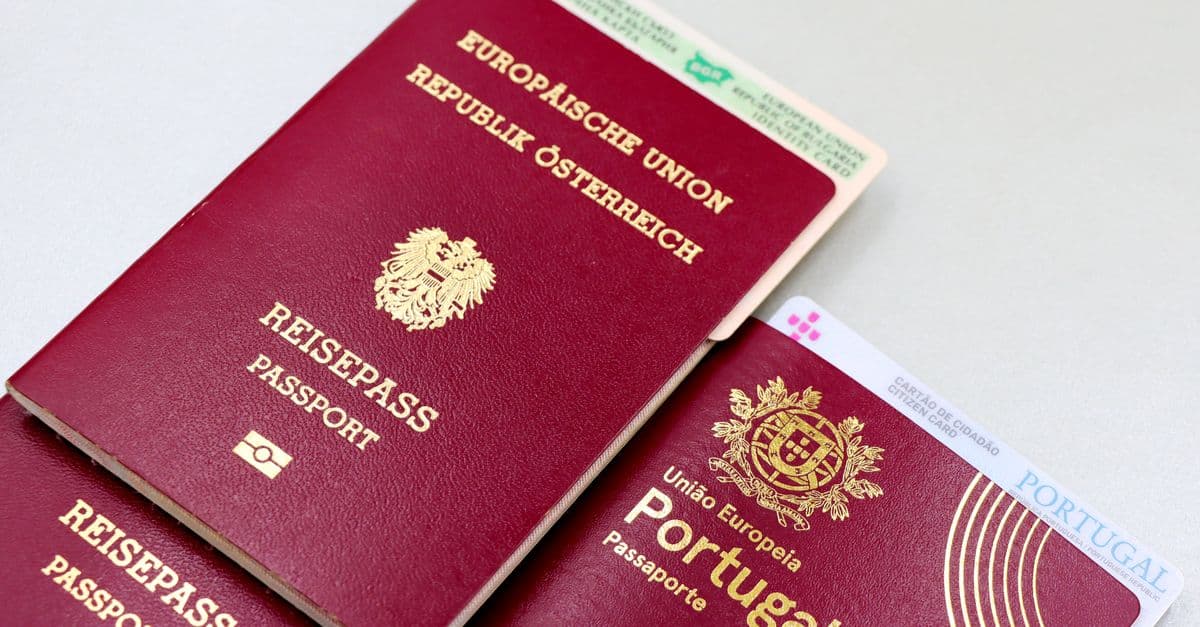
Complete document checklist for the Spain non‑lucrative visa — apostille rules
A single sentence checklist: which papers need an apostille, what translations the consulate insists on, how recent certificates must be, and the common mistakes that delay or torpedo an application.

Health insurance requirements for the Spain non-lucrative visa
You must show private health insurance with no co-payments that is valid in Spain from day one. This guide tells you what documents consulates expect, which insurers to pick, approximate premiums (2026) and the single mistake almost everyone makes.
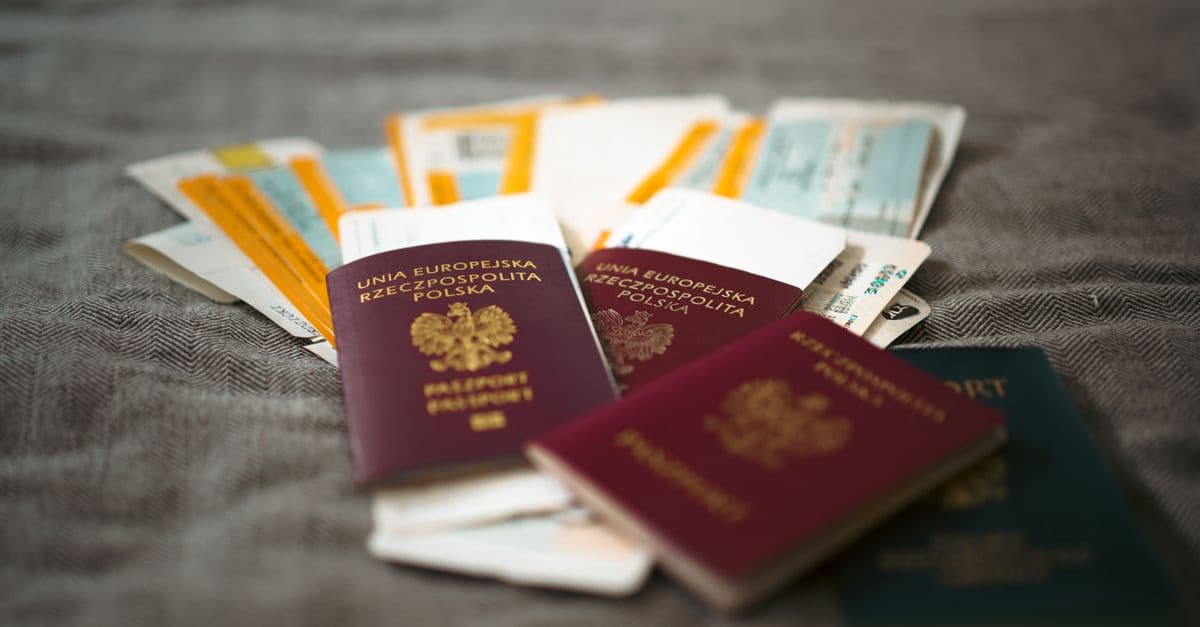
Spain non-lucrative visa: financial requirements and IPREM amounts (2026 guide)
The non-lucrative visa is not a ‘show any bank balance’ test. Spain ties the minimum to the IPREM. This guide shows the formula, how consulates apply it in 2026, what it really costs and the documents you’ll need to avoid a refusal.

Canada to Spain: Non-Lucrative Visa Guide
You don't need a job or a business to retire in Spain — you need proof of savings or pension and a plan to stay out of the workforce. Here’s exactly what Canadian citizens need to apply for the non-lucrative visa.

Spain non-lucrative visa requirements for UK citizens after Brexit
Brexit changed the starting point: UK citizens are now third‑country nationals and must apply for a Spanish non‑lucrative visa from the UK before arrival. This guide lists the documents consulates actually check, timelines, fees and the handful of places a lawyer helps.

Retiring on the Costa del Sol: An Honest Guide for 2026
Key takeawaysA couple lives comfortably on roughly €2,100 per month outside the luxury enclaves.Around 320 days of sunshine a year, with mild winters that rarely drop below 12°C.English is widely…
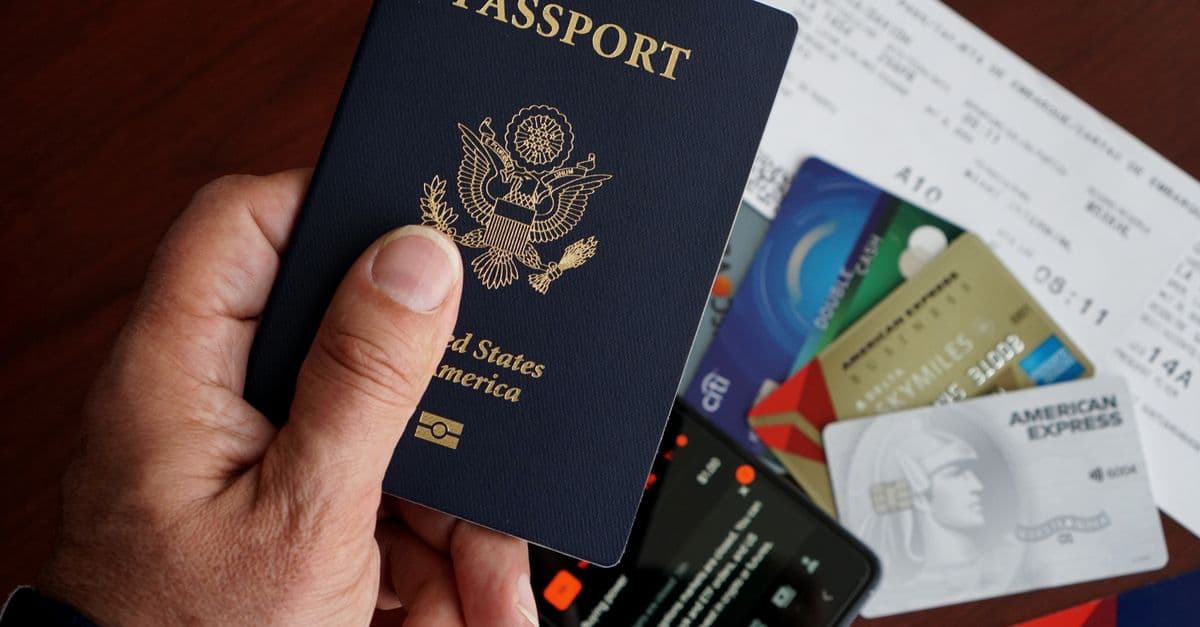
Spain's Non-Lucrative Visa: Requirements for US Citizens in 2026
The Non-Lucrative Visa is the main route for American retirees moving to Spain. Here is what you must prove, what it costs, and where applications go wrong.