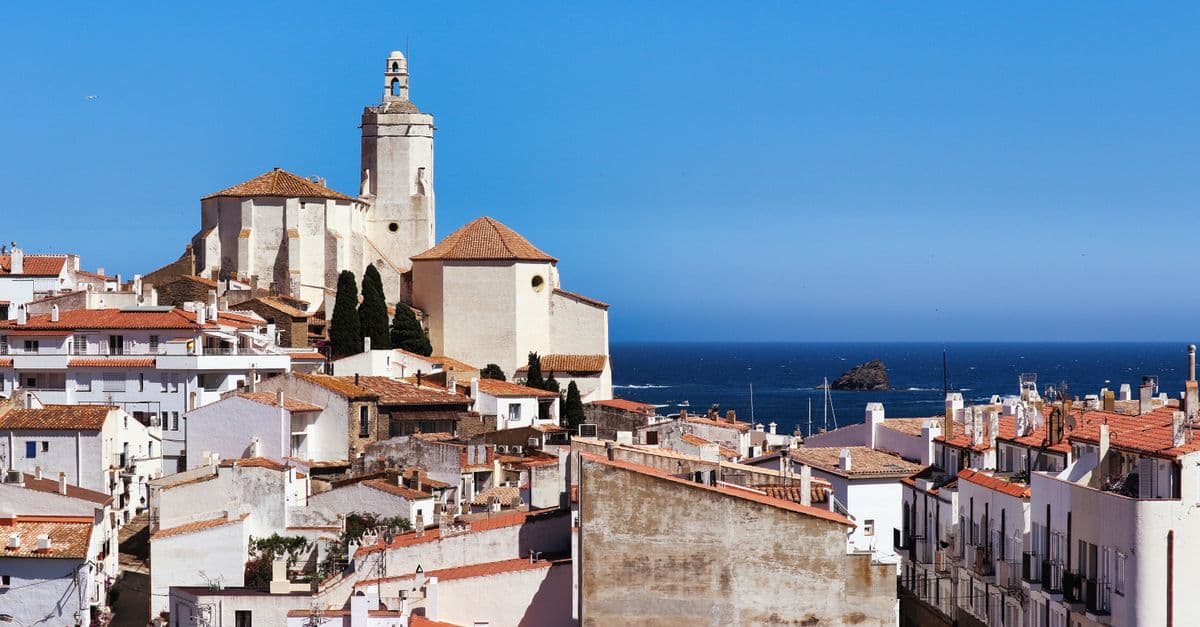
Retiring in Catalonia: costs, regions and what to expect
Most people pick Catalonia because of Barcelona or the Costa Brava, then discover there are four very different Catalonias — city, coast, inland plains and the Pyrenees. This guide tells you what each costs, where your money buys most, how healthcare actually works, and the concrete steps that change once you register as a resident.
By Chris Reino·Editor — visas, residency and everyday life
Most newcomers start with one idea: "I want Barcelona — the beach, the culture, the food." They book a flat, fall in love with the Rambla on a sunny day and then discover two things: 1) Barcelona is expensive and full of tourists in summer; 2) the quieter, cheaper Catalonia people describe exists — but it’s not the same place. Choosing Catalonia because of a postcard image without testing the neighbourhood, the weather through all seasons, or the practical costs is the single most expensive planning error I see. Rent is higher than in many parts of Spain, buying costs add significant transfer taxes and fees, and for many non-EU retirees public healthcare doesn’t click in immediately.
What living in Catalonia actually feels like
Catalonia is four regions pretending to be one. You get a compact, walkable city life in Barcelona province; a dramatic, rocky coastline with boutique resorts on the Costa Brava; the flat agricultural interior (Pla d'Urgell and the Ebre delta) where things slow down; and the high, snow-slicked Pyrenees in Lleida. Each has different seasons, services and price points.
Daily rhythms vary. In Barcelona you can rely on regular cultural offerings, private clinics with English-speaking doctors, decent public transport and shops open late. In a Costa Brava village you get a lively high season (June–September) and a near-empty winter; some businesses close for months. In inland towns and the Pyrenees shops and medical services are sparser but winter sports bring a small, dependable tourist income.
Language matters more here than in most of Spain. Catalan is used in schools, local government and many businesses. You can manage in English in tourist areas and private clinics, but learning Catalan (or at least Spanish) speeds up everything: neighbours, paperwork at the town hall (ayuntamiento), and just being invited to local events.
Which neighbourhoods and towns match which budgets
I’ll be blunt: if you want an English-speaking community, a beach a short walk away, and private clinics and restaurants that feel familiar, you will pay a premium. If you want cheaper housing and a quieter life, look inland or north into the Pyrenees. Rent for a year before buying; I still recommend this for almost everyone.
High-budget (comfortable to luxury)
Barcelona: Sarrià-Sant Gervasi, Pedralbes, parts of Eixample and Gràcia for the polished, safe feel and private healthcare nearby.
Costa Brava: Begur, Cadaqués, parts of the Girona coast where villas and restored townhouses command high prices.
Sitges (Garraf coast): small-town, seaside lifestyle with excellent services; pricey because many buyers are international.
Middle budget (good services, more reasonable prices)
Barcelona outskirts: Sant Andreu, Sants, Poblenou for a beach link but lower rents than the centre.
Girona city and inland towns around it: good medical services, an airport with seasonal flights, a calmer pace than Barcelona.
Tarragona coast: Cambrils, some parts of Salou and El Vendrell offer sea access, lower prices than the Costa Brava.
Lower budget (cheaper homes, slower pace)
Inland provinces (Lleida plain, parts of Tarragona inland): villages and small towns with low housing costs but thinner services.
Small Pyrenean villages off the main ski resorts: very affordable outside the ski season; winter access can be tricky.
What this actually costs (numbers you can plan around)
Numbers first, then the catch: here are realistic monthly and one-off costs you should budget for as of 2026. Figures are per person unless stated and will vary with age, health and lifestyle.
Monthly rent: Barcelona city centre one-bedroom €900–€1,500; outer districts €700–€1,000. Girona/coastal towns €700–€1,300. Tarragona and inland towns €500–€900. Small inland villages can be under €400.
Utilities (electric, gas/heating, water) and basic internet: €120–€200 a month for a typical two-bedroom. Heating in older stone homes in the Pyrenees adds cost; check insulation before you buy.
Groceries and household: €250–€400 per person per month if you mostly cook at home and shop local markets.
Eating out: a local menú del día (set lunch) €12–€18; mid-range restaurant dinner for two €40–€80.
Private health insurance (required for non-lucrative visa and common for those without S1): roughly €80–€300+ per person per month depending on age and conditions. Expect prices above €200/month once you’re 70 or if you have pre-existing issues — insurers change their tables yearly. If you have an S1 from an EU country you usually won’t need this.
Community fees (for flats with a shared lift, pool or gardens): €30–€300+ per month depending on building services.
Buying: allow 10–13% on top of the purchase price for transfer tax or VAT (if new), notary, land registry and gestor fees. For a €300,000 flat that’s roughly €30,000–€39,000 in extra costs.
Property taxes and running costs: IBI (local property tax) typically €300–€1,200 a year on average depending on cadastral value; plus insurance and occasional maintenance.
What drives these numbers up?
Location: sea views, proximity to Barcelona or a hospital with international staff add a big premium.
Seasonality: coastal towns double or treble short-term rental prices in summer. If you buy to rent out, summer income is good but management is time-consuming.
Age and health: private insurance premiums surge after 65 and rises again around 70. If you take an NLV you must show cover that the consulate accepts; they price-match closely to what insurers actually offer.
Home condition: older Catalan townhouses look charming but often need rewiring, new heating or damp-proofing, which are expensive in historic centres.
How long does paperwork slow you down? Expect three to six months between arrival and having all the practical pieces — NIE, empadronamiento, a bank account and (for non-EU citizens) a visa registration that lets you open local services. So budget at least six months of savings while you sort things out.
Healthcare: how you actually get treated in Catalonia
Catalonia runs CatSalut, its regional health service. The public system is good: well-trained doctors, modern hospitals and short waits for many procedures — but access depends on paperwork.
If you’re from an EU country and receive a state pension, bringing an S1 form is the easiest route: it usually gives you immediate entitlement and you register with CatSalut to get your Tarjeta Sanitaria Individual (TSI), the health card. If you’re from outside the EU (US, Canada, Australia) and arriving on a non-lucrative visa, the consulate requires private health insurance at the visa stage. After residency, non-EU pensioners often stay on private plans because getting onto the public system without S1 can require contributions or local rulings.
Practical notes:
Private clinics in Barcelona and Girona often have English-speaking staff; in small inland towns you may rely on Spanish or Catalan. For specialists you’ll usually find English in major hospitals.
Emergency care is available across Catalonia and works the same for residents and visitors, but follow-up in the public system requires registration. See the national Social Security site for details: seg-social.es.
Dental care is almost always private; budget separately for major work.
If you want a quick how-to: arrive, get empadronado at your town hall, open a Spanish bank account, register with Seguridad Social (or present S1) and then apply for your TSI at your local CatSalut office. The order and requirements change by province and year, so check the local health office once you have your NIE.
Pros and cons
Pros
Climate variety: mild coastal winters, but real seasons in the Pyrenees for winter sports.
High-quality food and markets: fruit, fish and small producers are everywhere; a Mediterranean diet is easy and affordable.
Good healthcare in cities: Barcelona and Girona hospitals have international services and modern equipment.
Catalan towns are well-connected: trains and roads to France and the rest of Spain, plus Barcelona and Girona airports for flights home.
Active cultural life: language classes, civic associations, walking groups and volunteering make social life straightforward for retirees.
Cons
Tourist crowds: many coastal towns are noisy and expensive in summer; some services reduce hours outside the season.
Price of Barcelona: it remains one of Spain’s priciest cities for housing and daily costs.
Language friction: official forms and local meetings are often in Catalan; you will run into Catalan-only emails from some town halls.
Property purchase costs: transfer tax + fees make changing your mind expensive. Rent first to avoid buyer’s regret.
Regional politics: periodic demonstrations or strikes can affect transport or paperwork days; it's rarely violent but can be disruptive.
What changes once you complete residency
Finish the basic admin — get your NIE, register on the padrón, sort your health entitlement — and several doors open:
You can access the public health system (if you have S1 or meet local rules), which reduces medical costs and removes the need for costly private plans.
Your bank options improve: many banks offer better mortgages and resident accounts only to people with a confirmed padrón and NIE.
You qualify for resident discounts: local taxes, some transport and utilities are cheaper for those registered as residents.
Buying property becomes practical: residents have clearer access to mortgages, and estate checks (nota simple) are easier with a local gestor handling paperwork. See our notes on buying in Spain and community fees for specifics.
But one thing doesn’t change: you still need to file taxes. If you become a Spanish tax resident (more than 183 days a year), global income rules apply. Get a gestor early. If you want an introduction to fiscal nitty-gritty, our guides to pension receipts and tax calendars are useful.
FAQ
How much do I need to retire in Catalonia per year?
Realistically, a modest but comfortable retirement outside Barcelona can be done on €18,000–€28,000 a year for a couple if you rent and live frugally. In Barcelona or on the Costa Brava that rises: €30,000–€50,000 a year or more for two, depending on lifestyle and private medical insurance. These are ballpark figures (2026) — your health costs and whether you own or rent are the biggest variables.
Can I get Spanish public healthcare as a non-EU retiree?
Usually no, not automatically. Non-EU pensioners often arrive on a non-lucrative visa and must show private health insurance for the visa. After you become resident, access to public healthcare without an S1 depends on whether you pay into Social Security or meet regional rules; many non-EU retirees keep private insurance because it’s simpler. EU pensioners with an S1 typically get access after registering with CatSalut. For official visa rules see the Spanish Ministry of Foreign Affairs: exteriores.gob.es.
Should I buy on the coast or inland?
Buy where you plan to live year-round. If you want lively services and international flights, the coast (Barcelona/Girona/Tarragona) fits. If you want quieter life and lower prices, inland towns in Lleida or Tarragona are better. Remember: coastal property often brings seasonal hassles (maintenance, short-term renters), inland property brings sparser services. Rent for at least a year first; our short-term rental guide explains how to use that period efficiently: short-term rentals.
Is Catalan a barrier for retirees?
It can be at first. Official notices and some town hall business are in Catalan, and many local social groups use Catalan. But Spanish (Castilian) is also widely used and understood. Learn basic Catalan phrases to show respect and speed interactions, but you won’t be stranded if you rely on Spanish. If you want to make friends quickly, take language classes — they’re also how most expats meet neighbours. See our pieces on learning Spanish for practical tips.
Useful further reading: our practical notes on furnished vs unfurnished rentals and coastal vs inland choices are a short click away: furnished vs unfurnished and coastal vs inland. If you’re arranging visas or health paperwork, the Social Security site has the technical detail: seg-social.es.
Once you’ve rented for a year, tied up the NIE and padrón, and decided whether to keep private insurance or apply to CatSalut, the choice becomes practical: community, club, doctor and neighbours. Catalonia rewards those who stay long enough to learn the rhythms. You still need a bit of patience — and a gestor who knows the local office — but what you unlock is real: local rates, better bank terms, and the ability to make a permanent home here.
Chris is based in Spain and has spent his working life in international tourism and residential services, on the side of it that deals with people arriving rather than people on holiday. On HolaRetire he looks after the guides on visas, residency paperwork and settling in, and checks them against what the consulates and the Spanish administration actually publish.
Moving from the US to live in Spain sounds romantic until you face the paperwork. This guide walks through the visa, arrival and residency steps you’ll actually do, what papers to prepare (and apostille), how long each stage takes and what costs to budget for.
Yes—you can retire in Spain from the USA. This guide walks you through the visa you’ll most likely use, the paperwork, realistic costs (health insurance, movers, first-year living), and the exact next steps once you land.
If you’re not an EU/EEA/Swiss citizen, expect to show private health insurance plus roughly €24,000–€36,000 a year (varies by consulate) and to file form EX‑01 at your Spanish consulate.
Yes—you can move to Spain from the US, but how you do it depends on whether you’ll retire, buy property or work. This guide walks the visa choices, what to do in the first 30–90 days, realistic costs and the precise documents consulates want.