Key takeaways
- Rent first. Spend a season living in the part of the island you think you want before buying; resale costs and transfer taxes add roughly 10–12% on top of a purchase price.
- Private health insurance is required for visa entry; after you register as a resident you can access the Balearic public system (or use an S1 if you’re from the UK/EU).
- Palma is the easy option for services and clinics, and the north and east give quieter coastal towns but more seasonal swings and longer drives to specialists.
- Expect summer crowds and traffic in July/August and a much quieter island in winter. Plan visits in May or October to test that rhythm.
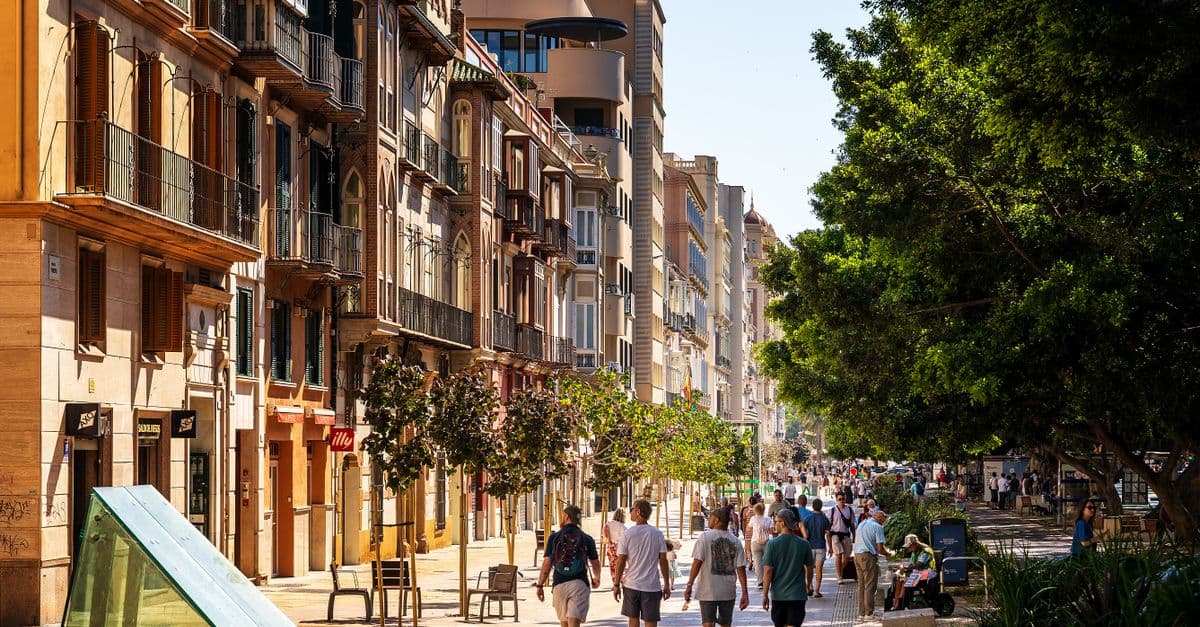
Picture this: you’re standing outside a sun-warmed stone block in Santa Catalina with a list of flats to see. The agent is late; a bakery fills the street with bread smell; a neighbour walks by and asks where you’re from. That mix, liveable urban life with Mediterranean sunshine, is what draws people here. But it’s not all postcard mornings. You’ll trade quiet weekdays in January for busy boulevards in August, and you’ll learn which towns keep local life in winter and which shut down.
What living in Mallorca actually feels like
Mallorca is an island of contrasts. Palma, the capital, is a service hub: hospitals, international flights, good restaurants, cultural institutions. Leave Palma and the pace changes fast. The Serra de Tramuntana mountains bring remote villages with terraced olive groves and tight roads; the north coast has long beaches and a cluster of resorts that get very busy in high season; the east has quieter bays and a slower winter life.
Daily life is Mediterranean and practical. Shops open in the morning, many close in the afternoon (siesta culture persists beyond tourist myths) and supermarkets and restaurants will be busy at lunchtime. English is common in tourist areas and in Palma, enough that you’ll get by, but learning Spanish will change everything: smaller bills, friendlier café conversations, and quicker service at medical centres outside town.
Expect services to be good but different from the UK/US. Appointments with public specialists are competent but can take longer than private clinics; private healthcare is widely used by expats to avoid waits. Local bureaucracy works if you plan for queues and online appointment systems. The Oficina de Extranjería in Palma handles residency paperwork but you often book ahead.
Which neighbourhoods suit which budgets
If you want a short rule: Palma for convenience, Port de Pollença/Alcúdia for family-style seaside, eastern coves for budget beach life, and the Tramuntana villages for scenery and quiet. Below I break that into three budgets and suggest towns/neighbourhoods.
High budget (€€€+): you want ease and quality
- Palma: Sant Francesc, Bonanova, Portopí — short drives to international clinics and private hospitals, good restaurants and shops. Expect two-bedroom apartments from €1,700–€3,500/month, villas much more.
- Port d’Andratx, Deià, Valldemossa — hilltop houses and design-led boutique life. These areas are expensive to buy and maintain, and narrow roads mean driving is slower.
- Son Vida and Bendinat, gated complexes, golf, private clinics nearby, and strong private-community infrastructure.
Middle budget (€€): comfortable, community-focused
- Santa Catalina and El Terreno (Palma) — lively, near the sea and Palma’s best market and restaurants; flats from €900–€1,700/month.
- Port de Pollença and Alcúdia — long seasons, English-friendly in winter, good local hospitals within a 30–45 minute drive.
- Sóller or Port de Sóller — mountain scenery and a calmer pace; small-town shops, but winter quiet.
Budget-conscious (€): lower rents, more seasonal life
- Llucmajor and Campos — south of Palma, cheaper with local life and fewer tourists; you’ll need a car for services.
- Cala Millor / Cala d’Or area (east) — big tourist seasons, quieter winters and a strong rental market if you ever want to let.
- Smaller inland villages — real bargains on rent and purchase but expect isolation and fewer services in winter.
If you’re not sure, rent in Palma for six months. You’ll quickly see whether you prefer island access and healthcare close by (choose Palma) or a quieter coastal town where you’re happy to drive to specialists.
Day‑to‑day costs: real figures and what pushes them up or down
How much you spend depends on lifestyle. Below are conservative numbers as of 2026 — check current local prices before committing.
- Rent: studio/one-bedroom in Palma centre €800–€1,400; two-bedroom €1,200–€2,200. Popular resort towns follow similar ranges in high season but long-term rentals outside Palma can be 20–40% cheaper.
- Groceries: €250–€450/month per person if you cook at home and buy a mix of local produce and supermarket staples.
- Eating out: café coffee €1.50–€3; a three-course meal for two at a mid-range restaurant €35–€70.
- Utilities: electricity, water, gas, internet €80–€160/month depending on heating/cooling use. Air conditioning in summer raises electricity bills significantly.
- Private health insurance: for a person aged 65+, expect roughly €120–€250/month for a policy that includes outpatient cover; older ages or pre-existing conditions push that higher.
- Car ownership: if you own a car, budget €150–€300/month including insurance and fuel if you drive regularly; parking in Palma can be an added cost.
- Property purchase costs: add roughly 10–12% on top of the purchase price to cover transfer tax, notary, registry and agent fees.
What pushes your cost up: living in Palma centre or resort-front flats, frequent private health appointments, owning a car, and air‑conditioning use in a hot summer. What brings it down: living inland or outside peak towns, using public transport, and cooking local produce.
Healthcare: how you actually get seen
Two things to be clear about. First: Medicare (US) and the NHS/Medicaid systems don’t cover you automatically in Spain. If you’re coming from the UK and are eligible, apply for an S1. See our guide to the S1 form for UK pensioners for the steps and what it covers (/en/healthcare/s1-form-uk-pensioners-spain). US citizens should read that Medicare doesn’t cover Spain (/en/healthcare/medicare-doesnt-cover-spain).
Second: if you apply for a non‑lucrative visa you’ll need private health insurance without copays for the visa stamp, then you can register for the Balearic public system once resident. Private clinics and hospitals in Palma are good and English-friendly; small-town GPs often have limited English, so learn some Spanish or find an English-speaking doctor in Palma and register there if you need steady access.
How it works in practice:
- Temporary arrival: show private travel/resident insurance to the consulate for a visa; insurers often provide specific letters the consulate wants — check the consulate checklist (/en/visas-legal/non-lucrative-visa-spain-uk-citizens and /en/visas-legal/non-lucrative-visa-spain-us-citizens).
- After you register as a resident and get your NIE and tarjeta sanitaria, you can use the public healthcare network. The Balearic public system is generally competent, but for quick specialist access many retirees keep a private plan.
- Find a GP (médico de cabecera) through the local health centre after you register. If you have a chronic condition, keep private coverage until you’ve secured a local specialist.
For more detail on public healthcare options and private policies that remove copays, see our pages on public healthcare and insurance for retirees (/en/healthcare/public-healthcare-spain-retirees, /en/healthcare/health-insurance-no-copay-spain).