Key takeaways
- Expect to add about 10–13% on top of a property price for purchase costs (taxes, notary, registry and fees) — budget for it from day one.
- Rent for a year unless you already know which town suits you: weather, services and English-speaking life change a lot from Alicante to Denia.
- You must have private health insurance with suitable cover to get a non‑lucrative visa and to avoid gaps before public care kicks in.
- Best value for money: Torrevieja and Orihuela Costa; best English‑speaking communities: Albir, Altea and Javea; quiet traditional Spain: inland villages around Jávea and Denia.
Expect to add about 10–13% on top of a property price for purchase costs when you buy in Spain (transfer tax or VAT, notary, land registry, gestor and agent fees); don’t let the advertised price be the number you plan around.
What living on the Costa Blanca actually feels like
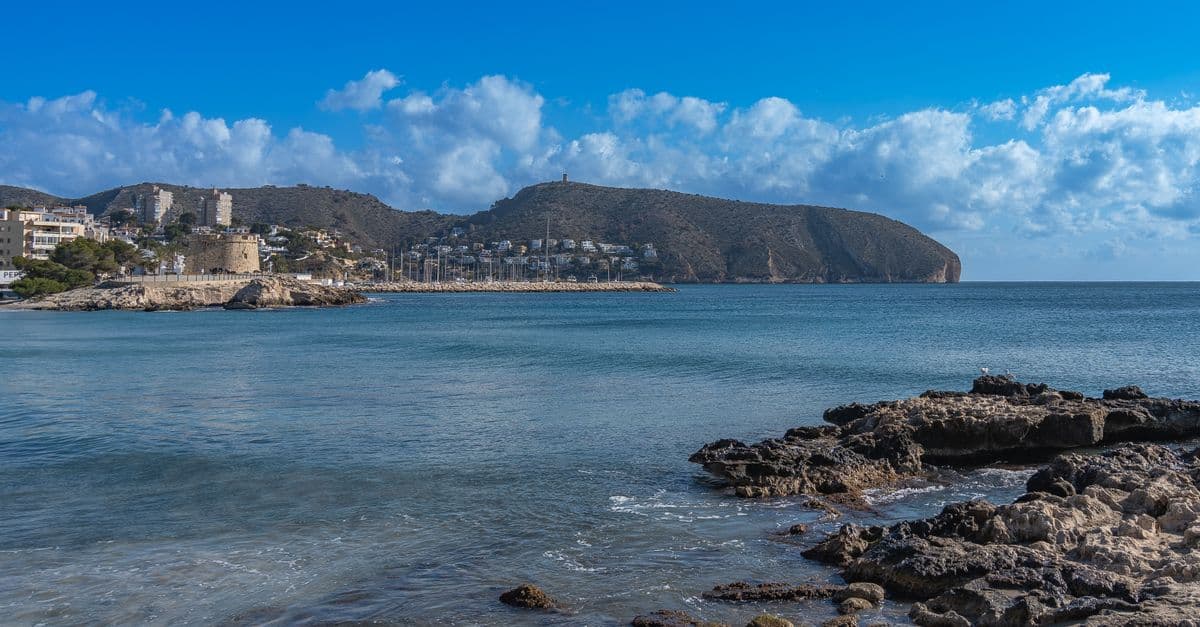
The Costa Blanca runs roughly from Denia in the north to Pilar de la Horadada in the south — a long, varied coast rather than a single place. Some strips are flat beaches and tourist infrastructure; others have sharp cliffs and small harbours. Weather-wise you get serious sun: long, mild autumns and springs, wet winters in short bursts and hot, humid Augusts on the coast. That August heat is real; if you’re sensitive to humidity, look for a house with shutters and air conditioning or move slightly inland where nights are cooler.
Daily life depends on where you live. In Alicante city and Benidorm you’ll find hospitals, procedures in English, and supermarkets open late. In small towns like Altea or parts of the Marina Alta (Javea/Denia) you trade some late-night choice for charm and quieter streets. Shopping, restaurants and local bureaucracy are mostly in Spanish, but the long-established expat pockets have English-speaking estate agents, bank contacts and GPs.
Transport is straightforward: Alicante–Elche (ALC) airport has most international routes and is 20–60 minutes from the main towns; the N‑332 and AP‑7 connect the coast. Trains are patchy — useful if you live near Alicante city or use the line to Valencia — but you’ll rely on a car unless you live in central Arenales or Alicante.
Which towns suit which budgets (and why)
Pick the micro-region first: Alicante city and its northern beaches feel different from the Marina Alta (Denia, Javea) and very different again from the southern beaches around Torrevieja and Pilar de la Horadada. Here’s a practical map by budget and lifestyle.
Limited budget (rent under €700, buy under €130k)
- Torrevieja, parts of Orihuela Costa and some inland towns — rental stock is large and prices are the lowest on the coast. Apartments can be basic but are affordable.
- Pros: supermarkets, clinics, direct flights in high season, big expat communities who’ve built English services.
- Cons: crowds and little charm on the beachfront; some parts feel transient and seasonal.
Mid-range (rent €700–1,400, buy €130k–€350k)
- Alicante city (San Juan beach fringe), El Campello, Albir and parts of Calpe and Benidorm away from the high-rises. Good balance of services and lifestyle.
- Mid-range gives you newer apartments, better sea views and easier access to private clinics and language-friendly GPs.
Comfortable/upper end (buy from €350k, rent over €1,400)
- Altea (English-friendly old town), Javea (Xàbia), Moraira (technically further north of the classic Costa Blanca but comparable) and parts of Denia. These are prettier, quieter and attract buyers who want community and service quality.
- Expect to pay for workspace-quality renovations and private pools in many listings.
If you want help narrowing down neighbourhoods, start with this practical map of the best areas. And rent first — at a minimum a six‑month rental; twelve months is better.
Day‑to‑day costs: realistic ranges and traps
How much you spend depends on where you live and how social you are. A cautious single retiring on a modest lifestyle should plan on about €1,200–€1,700 per month; a couple on €1,800–€2,800. Those ranges include rent, utilities, groceries, modest social life and health cover, but exclude buying a car or significant private healthcare bills. Check our budgeting guide for the full breakdown and regional tweaks.
Concrete price signals (as of 2026 — verify locally):
- Monthly rental for a decent one-bed near the coast: €600–€1,000 in mid-range towns, €1,100+ in Altea/Javea.
- Supermarket basket: expect to spend roughly €200–€350/month for two people if you mostly cook at home and buy a mix of local and imported items.
- Restaurants: a mid-range meal for two with wine is €35–€60; tapas and local eateries are cheaper.
Hidden cost: electricity. E‑billing and meter tariffs matter. Insulate and put in a split A/C system if you can; the biggest surprise for newcomers is the electricity bills in summer when everyone cranks the AC.
Healthcare on the Costa Blanca — how you actually get care
Short version: you’ll need private health insurance at the start (non‑lucrative visa requirement) and then either register into the Spanish public system or continue privately. The consulate will check your private policy closely — it must cover all risks and ideally include repatriation if you’re applying from abroad. See our checklist for the non‑lucrative visa insurance.
If you’re an EU/S1 holder the transition into public care is straightforward — bring your paperwork to the local health centre and register as soon as you have your empadronamiento and NIE. If you’re a US citizen, remember Medicare doesn’t cover care in Spain (read this).
Private care is well-developed along the Costa Blanca. Alicante and Benidorm have private hospitals with English-speaking staff; smaller towns rely on private clinics and GPs who will refer you to specialists in Alicante or Valencia for complex work.
Costs and practicalities to note:
- Private GP visit: roughly €40–€70; specialist €80–€200 depending on the procedure and clinic.
- Prescriptions are subsidised under the public system once registered; privately you’ll pay more.
- Continue or buy private cover if you have a chronic condition that needs continuity — some insurers exclude pre‑existing conditions or apply waiting periods.