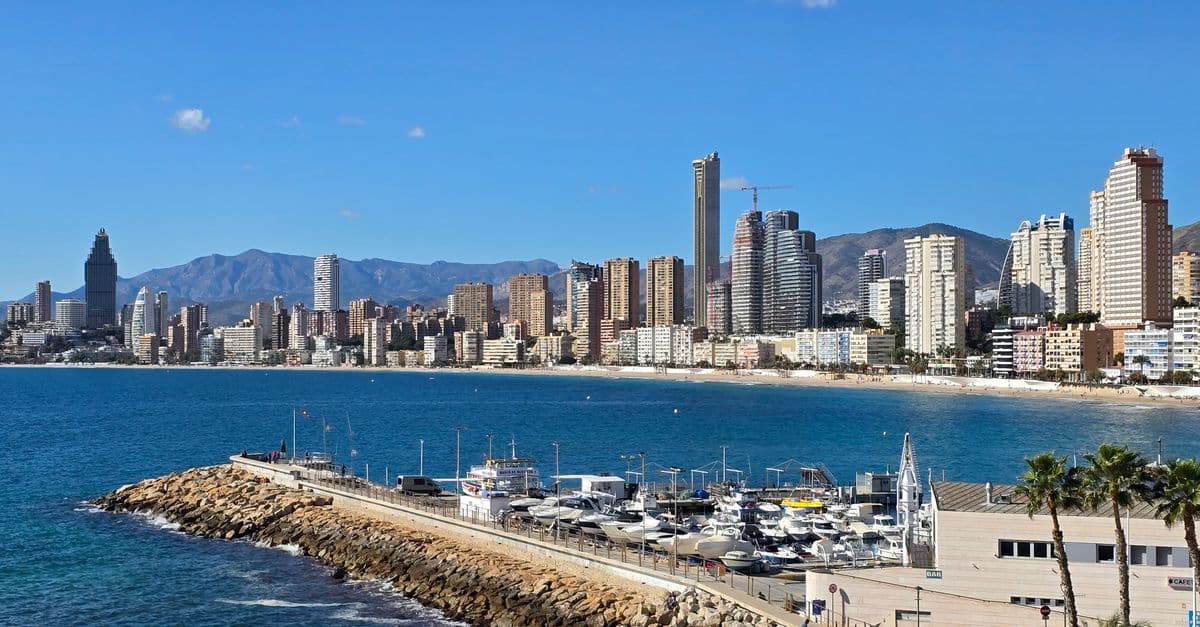
People hear “Costa Blanca” and picture cheap cafés, long beaches and low rents. That’s the highlight reel. The reality is more mixed: some towns are inexpensive, others expensive; healthcare and insurance quietly take a big slice of a pension; and summer electricity bills can ruin a tight budget.
What living here actually looks like
The Costa Blanca is a 200km band of coast in the Valencian Community running roughly from Denia in the north to Pilar de la Horadada in the south. Think three practical zones: the north (Denia, Jávea, Moraira) where prices are higher and quieter in winter; the central strip around Alicante, Altea and Benidorm that mixes city services with tourist bustle; and the south (Torrevieja, Orihuela Costa) where the pound stretches further and there are large expat communities.
Day-to-day life varies by town. In Alicante city you’ll find hospitals, a university, regular flights, city buses and a tram. In a place like Moraira you’ll have smaller shops, one bilingual GP and long quiet winters. In Torrevieja you’ll see large British/American retiree communities, many English-speaking shops and clinics — but also more seasonal crowds and cheaper housing stock.
One practical thing: summers are hot. If you sleep with air‑conditioning on for several hours most nights, your electricity bill will spike. That’s a cost many retirees don’t fully account for before they arrive.
Realistic monthly budgets for a retired couple (as of 2026)
These are working ranges you can use to model your own situation. Prices fluctuate, so check current rentals and insurance quotes before committing.
- Tight but liveable — €1,800–2,200/month: long-term rental outside the prime coastal belt (Torrevieja, inland villages), basic private health insurance with higher excess, sensible grocery and eating-out habits, limited taxi use. You’ll be renting a 1–2 bed apartment, probably inland or in a less-touristy town.
- Comfortable — €2,500–3,500/month: a nicer 2-bed apartment or small house near the coast (Alicante, El Campello, some parts of Benidorm), private health insurance with decent coverage, modest travel, occasional dining out and housekeeping. This is what most couples end up needing.
- High-comfort — €4,000+/month: good coastal townhouse or villa (Javea, Altea, Moraira), private insurance with low excess and wider coverage, frequent travel to home country, golf memberships, private healthcare for consultations and elective work.
Examples of line-item costs inside those budgets:
- Rent (2-bed coastal town): €700–1,500/month depending on town and season.
- Utilities (electricity, water, gas): €70–200/month — on the high end if you use air‑con a lot in summer.
- Internet and mobile: €35–60/month combined.
- Groceries and household goods: €300–450/month for two if you cook most meals.
- Eating out (mix of menu del día and cafés): expect €10–18 for a menu del día, €25–40 for a mid-range dinner for two.
- Local transport and taxis: €40–150/month depending on trips to the airport and whether you keep a car.
- Private health insurance (non-lucrative visa / early residents): €150–350/person/month at 65+, widely variable depending on insurer, pre-existing conditions and whether the policy has co‑payments. Get multiple quotes — and expect to pay more if you’re over 70 or have medical history.
Which towns suit which budgets and why
Where you land makes the budget sit comfortably or creak.
- Stretch-the-pension towns: southern Costa Blanca — Torrevieja, San Fulgencio, Orihuela Costa. Quieter in winter, large Anglo expat infrastructure (shops, pubs, clinics), more rental stock, cheaper supermarkets and services.
- Balanced choice: Alicante city, El Campello, Albir/Alfaz del Pi. Good medical facilities, an airport close by, train and bus links, a mix of Spaniards and expats. Useful if you want a town that works year-round.
- Premium towns: Denia, Jávea, Moraira, Altea. Sea views, smaller, wealthier communities and higher property prices. Winters are quieter — but you pay for the location.
- Benidorm: oddball case. Popular with budget-conscious British retirees who want English-speaking services, lots of entertainment and low-cost private clinics; very touristy in summer and busy.
If you want low day-to-day costs, look south or inland. If you want better hospitals, pick Alicante or Benidorm/Denia where regional hospitals and private clinics are nearby.
Healthcare and insurance — what you’ll actually pay and how to access it
People under‑estimate this. Public healthcare in Spain is high quality and affordable, but you don’t get access the minute you arrive on a non-lucrative visa. You’ll need private health insurance for the application, and until you’re registered with the Seguridad Social (and, where appropriate, have an S1 from the UK) you’ll rely on that private policy.
Private insurance cost is the single most variable monthly expense. For two new retirees in their mid‑60s anticipate around €300–700/month total as a reasonable ballpark — less if you’re healthy and find a basic plan; more if you need low-excess or specific cover. As of 2026 insurers treat both age and pre-existing conditions strictly. Shop around and ask each insurer for a full list of exclusions and waiting periods.
If you’re a UK pensioner with an S1, it can simplify things — but S1 rules and recognition can vary depending on when you moved and your registration status. Read our explainer for UK pensioners on S1s before you assume entitlement: /en/healthcare/s1-form-uk-pensioners-spain.
Finally: private clinic access and English-speaking doctors are widespread in expat towns but not universal. Big hospitals in Alicante and Torrevieja will have English speakers and translators on request.
Visas, residency and regional differences that affect cost
If you’re coming on the non‑lucrative visa you’ll need to show regular passive income or savings and full private health insurance (check the consulate guide for exact figures). The way consulates interpret requirements — acceptable bank statements, pension letters, or valuation of property income — varies. Madrid, Barcelona and the UK consulates will sometimes ask for slightly different paperwork and will have different appointment wait times.
Regional bureaucracy also matters. The Valencian Community (Comunitat Valenciana) runs the local health registration, and each province office (Alicante vs. Valencia) can be quicker or slower at issuing healthcare cards and civil registrations. Small practical delays — bank account activation, NIE processing, local empadronamiento — add up to extra costs (temporary private insurance, short-term rentals while you wait).
Practical takeaway: plan for paperwork delays and budget a month or two of private cover and short-term rental costs when you first move. Use the non-lucrative checklist and the health insurance pages to prepare: non-lucrative visa checklist and insurance for the visa.