Concrete budgets, the neighbourhoods that match them, how healthcare and residency actually work, and the one surprise most newcomers only discover after moving. Rent a year first, budget for community fees, and bring patience for August crowds.
By Chris Reino·Editor — visas, residency and everyday life
If you’re retiring in Marbella, plan on €2,500–€4,500/month for a comfortable couple (as of 2026); buying adds another 10–13% in purchase fees on top of the asking price.
Rent the first 12 months — it’s the cheapest insurance against buying the wrong micro-location (Golden Mile vs. Nueva Andalucía matters).
You can access Andalusian public healthcare after you register as a resident and get a health card; until then you’ll need private insurance that consulates demand for non-lucrative visas.
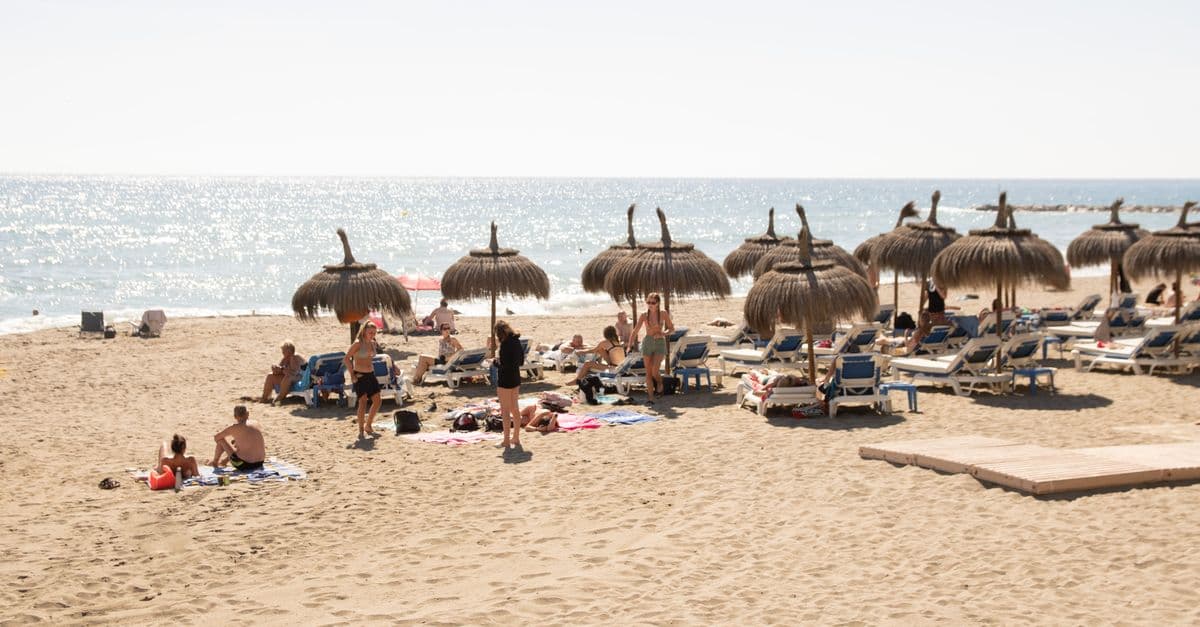
Marbella is excellent for English-speaking services, private clinics and golf, but expect heavy summer traffic, crowded beaches in July–August and a quieter winter social scene.
First impressions: what living in Marbella actually feels like
Marbella feels like two towns in one: a polished, wealthy coastline with marinas, beach clubs and high-end restaurants; and a compact historic centre that’s pleasant to walk and surprisingly local. Days are outdoors—cafés, golf, sea—so if you hate sitting inside, you’ll adjust fast. If you love peace and quiet year-round, the stretch from mid-July to August will test you: roads, parking and the old town get busy.
Which neighbourhood for which budget
Location matters more than square metres. Here’s how I’d choose, depending on what you want to spend and your lifestyle.
Luxury and convenience (expect to pay a premium)
Golden Mile / Sierra Blanca / Puerto Banús: private clinics, upmarket shops, English-speaking staff, gated communities. If you want a concierge, a private pool and short drives to the marina, this is it.
Typical buyer profile: full retirement budget, want easy access to private healthcare and social life.
Comfortable, practical (best value for lifestyle)
Nueva Andalucía and San Pedro Alcántara: good balance of price, restaurants and golf courses. Plenty of international neighbours but fewer ostentatious hotels.
Elviria and Cabopino (east of Marbella): quieter beaches, family-friendly, slightly lower prices than central Marbella.
Lower-cost options
Move inland a little: villages in Malaga province, or even parts of Estepona, give lower property prices and calmer winters while keeping Malaga airport within 45–60 minutes.
Numbers vary with lifestyle, but here’s a realistic monthly baseline for a couple (2026 estimates):
Groceries and eating out: €400–€700
Utilities (electricity, water, gas, internet): €120–€250 — note electricity spikes in summer with air-conditioning.
Private health insurance (if needed before residency): €100–€300 per person depending on age/conditions.
Community (comunidad) fees for apartment complexes: €50–€400 depending on pool, gardens and security.
Local transport / fuel / occasional taxi: €100–€250
If you eat out a lot and join clubs (golf, sailing), add more. These figures exclude mortgage or loan repayments.
Healthcare and residency—what actually happens
Two clear stages: before official residency you must rely on private insurance; after you register and have a residency card (TIE or EU equivalent) you can join the Andalusian public system and get a tarjeta sanitaria.
The consulate will expect private health insurance for a non-lucrative visa with full coverage and no excess. Expect quotes between €90 and €300+/month depending on age and pre-existing conditions — shop around and get a formal quote for the visa.
Once you’re resident, register at the local health centre. Wait times for specialists in the public system are not instant — if you need fast private care, Marbella has good private hospitals and English-speaking GPs.
Excellent climate and outdoor lifestyle—lots of golf and sea-based activities.
Strong international community: English widely spoken in services, many clubs and expat groups.
Good private healthcare and specialist clinics within short drives.
Easy travel: Málaga airport is 35–50 minutes away with frequent flights to UK/EU.
Cons
Peak summer crowds and traffic; parking is a headache in July–August.
Cost of living and property prices are above the Andalusian average—expect to pay more for seaside locations.
Community fees and local taxes can be surprisingly high; services get quieter in winter (shops and clubs may have reduced hours).
Some areas feel seasonal and cliquey; social life can contract outside the high season.
The part nobody warns you about
Comunidad politics and hidden running costs. You’ll sign a contract and fall in love with the pool, the gardens and the security gate—then discover the comunidad has an unpaid bill from last year, or the annual meeting votes for a big repair and you inherit a one-off levy. Or you’ll learn the block forbids long-term rentals, which matters if you ever want to rent the apartment out for a few months.
Ask to see: the last three comunidad accounts, any pending lawsuits against the community, and the minutes of the annual meeting. This is a common reason people regret a purchase within the first 18 months.
Practical plan — what to do, month by month
Year 0: Rent for 9–12 months while exploring zones, testing commute times and medical providers.
Visa/Residency: Apply for a non-lucrative visa (if needed) with private health insurance and proof of funds; expect paperwork and appointment waits—book early.
After arrival: Get empadronamiento (padron) at the town hall—this unlocks local discounts and access to some services.
Buyers: instruct a local lawyer and a gestor to run the checks (property debts, community issues, IBI and plusvalía estimates). Buying without them is asking for trouble.
If you’re turning to specialists, our piece on community fees explains what those monthly and special charges look like; and if you want a higher-end lifestyle comparison there’s Marbella luxury retirement.
Questions worth asking a lawyer, gestor or broker
Are there outstanding debts (IBI, community) tied to the property and what will my liability be on completion?
Is the property licensed for tourist rentals or does the community forbid it?
Exact transfer tax and notary/registry estimate — what will the final purchase total be (show me the math)?
If I rent first, how do typical lease breaks work here and what penalties apply?
How does my pension get taxed if I become Spanish tax resident—what documents will you need to register with Hacienda?
FAQ
How much do I need in savings to get a non-lucrative visa for Spain?
The consulate tests that you have sufficient funds; the amount changes with family size and consulate. As a rule, budget at least the year’s minimum income threshold (multiple of Spain’s IPREM) plus private health insurance. Check the Spanish consulate site for current figures for your country.
Can I use the public healthcare system straight away?
No. You need to be registered as a resident and have a social security number or be registered as an insured person. Until then you should have private insurance that meets consular requirements.
Is Marbella safe for retirees?
Yes. Marbella is generally safe; petty theft can happen in busy tourist areas (keep an eye on bags on the promenade). Night-time streets are well-patrolled in central zones. Use normal precautions and pick housing with secure access if that worries you.
What are annual recurring taxes I should expect on a property?
Key ones: IBI (municipal property tax), basura (bin collection), and comunidad fees. Non-resident owners also face a non-resident tax on imputed or actual rental income. For tax rates and deadlines check the Agencia Tributaria at agenciatributaria.es.
Should I learn Spanish before I move?
Yes. You’ll get by with English in many services, but learning Spanish makes healthcare navigation, local meetings (community, padron) and friendships much smoother. Even basic Spanish avoids awkward, expensive mistakes.
Chris is based in Spain and has spent his working life in international tourism and residential services, on the side of it that deals with people arriving rather than people on holiday. On HolaRetire he looks after the guides on visas, residency paperwork and settling in, and checks them against what the consulates and the Spanish administration actually publish.