Key takeaways
- There are roughly 70 golf courses on the Costa del Sol (check current listings) — that concentration explains why housing, clubs and services cluster around a few towns.
- Rent for a year first: if you buy you pay 10–13% extra in taxes and fees, and changing your mind is expensive.
- Expect to pay €90–€200+/month for private health insurance per person at older ages until you join the Spanish public system as a resident.
- Ask a gestor about comunidad fees, water access in summer and whether a course is truly private before you commit — those three things hit budgets most often.
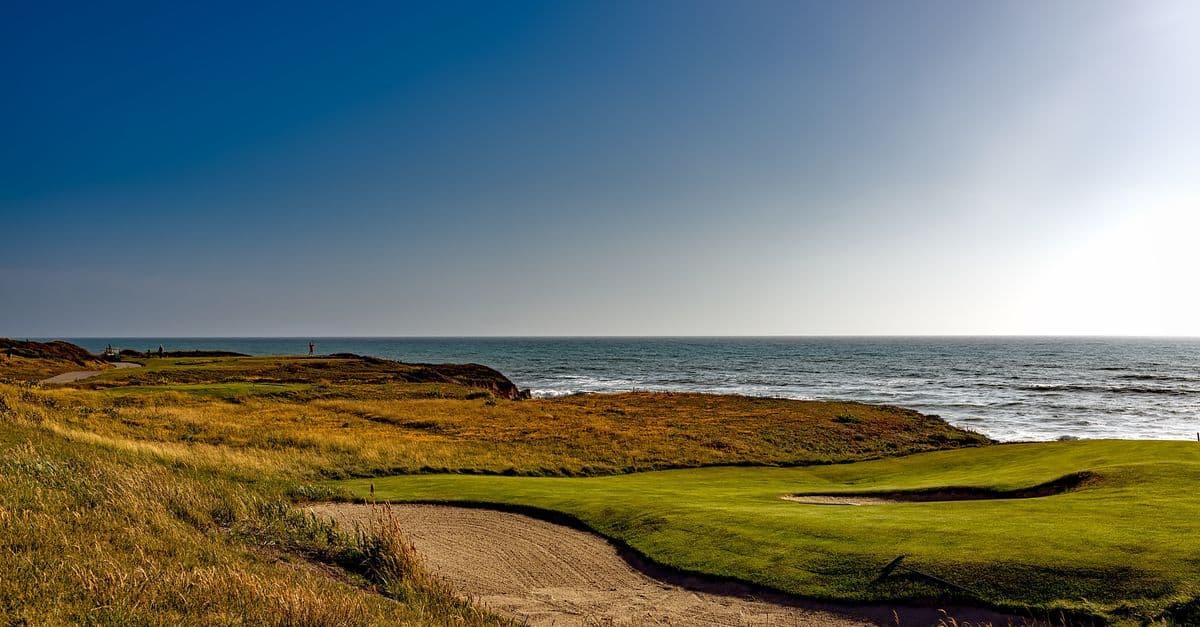
There are roughly 70 golf courses along the Costa del Sol (the figure varies by source; check current listings) — that concentration matters because it shapes where retirees live, what properties cost and how social life works.
What living on the Costa del Sol as a golf retiree actually feels like
The short version: if you want sun, golf on demand and an English-friendly service layer, this is it — but you trade quiet local life for seasonal crowds and fees that cluster around the courses. Your daily rhythm will be driven by tee times, maintenance schedules and the tourism calendar.
Mornings are likely to start on the course or at the practice range, followed by lunch at a club restaurant or a beach chiringuito. If you live in a gated golf community you'll see gardeners, security staff and maintenance teams working year-round; if you live in the town centre you'll get more authentic Spanish rhythms: early shops, afternoon quiet and the occasional fiesta. Evenings can be social: golf club events, English-speaking associations, and an expatriate scene that still favours pubs and restaurants in Marbella, Estepona and Fuengirola.
Practical friction you should budget for: community (comunidad) fees and green fees. Many small, older villas advertise themselves as “on a golf course” but carry high comunidad charges and private club rules. The private clinics and English-speaking services are excellent in pockets (Marbella, Nueva Andalucía, San Pedro), but public-health access depends on residency status — more on that below.
Which zones suit which budgets (specific towns and neighbourhoods)
The Costa del Sol is not a single place. It runs from Nerja in the east to Sotogrande in the west, and the golf clusters are concentrated around Marbella (Nueva Andalucía, San Pedro, La Quinta), Estepona/Benahavís and the inland hills near Mijas and Manilva.
High budget: Marbella and Nueva Andalucía
- Who it's for: buyers who want luxury courses (e.g. Los Naranjos, Aloha, La Quinta), short transfers to private hospitals and an English-speaking social scene.
- Typical property: villa or large apartment in gated urbanisation, sea views or course frontage.
- Price sense (as of 2026): expect asking prices well above the provincial average — often double what you’d pay inland. Community fees can be high where shared gardens, pools and security are provided.
Mid-budget: Estepona, Benahavís, Mijas
- Who it's for: golfers who want good courses without Marbella's premium. Benahavís has a cluster of established courses and a quieter high-end village atmosphere.
- Typical property: newer apartments and townhouses; private communities still common but a little cheaper than Marbella.
- Pros: good choice of private and semi-private clubs; easier parking and less tourist foot-traffic in winter.
Value or snowbird choice: inland Mijas, Ronda outskirts, Manilva
- Who it's for: retirees who prioritise lower purchase prices and are willing to drive 15–30 minutes to the nearest course.
- Typical property: renovated village houses, apartments with cheaper community fees, or new developments with lower asking prices.
- Trade-off: fewer English services locally and longer drives to specialist shops and private clinics.
If you intend to rent first (you should — see short-term rental), focus on a two-week trial in the neighbourhood you think you want. Play the nearest courses at off-peak times. You will almost always notice things you didn’t expect: road noise, early morning course maintenance, or how social life thins out in January.
Day-to-day costs: what you'll actually pay
Below are realistic ranges for someone living a comfortable retiree life centred on golf. Figures are approximate and change year to year; use them to budget rather than to lock in expectations.
- Rent (monthly): Marbella central 1-bed from €1,000–€1,700; golf-side 1-bed in a community €1,200–€2,000. Inland options can be €600–€1,000. Buying brings a 10–13% extra purchase cost (taxes, notary, registro, gestor) — so don't buy blind.
- Utilities (electricity, water, gas, basic internet): €100–€200/month depending on heating/AC use. Air conditioning in August will push the total up.
- Groceries and eating out: €300–€600/month for two if you cook a lot; a mid-range meal for two in a tourist area €35–€70.
- Private health insurance: roughly €90–€200+/month per person at typical retirement ages — higher if you have pre-existing conditions. Get quotes and be honest on medical forms.
- Green fees & memberships: a resident-friendly annual membership at a mid-range club can be €1,200–€3,500; pay-as-you-play green fees range €30–€120 depending on the course and season. Expect caddies and buggy hire to add more.
- Car running costs: most retirees keep a car. Budget for Spanish road tax, insurance and diesel/petrol; service costs are lower than in northern Europe but parts can be expensive.
- Community (comunidad) fees: these vary wildly — €40/month for a small block up to €400–€800/month for luxury gated estates with services.
Two practical notes: first, the cheapest-looking properties often carry the highest community fees or special levies (a roof, pool or road repair). Second, golf reduces your need for other entertainment but adds steady seasonal costs — maintenance days, tee-time surcharges and peak-season prices in July–August.
Healthcare access and insurance (how it works for a retiring golfer)
If you arrive on a non-lucrative visa you must have private health insurance accepted by the consulate for your visa. That cover is also your immediate health access until you register as a resident and join the Spanish public system (if eligible) via the social security route or through pension-derived entitlements. For timelines and formal rules see the public social security site: seg-social.es.
On the Costa del Sol you get a good mix of care: Málaga city has major public hospitals and specialists; along the coast there are many private clinics (Marbella, Estepona) with English-speaking staff. If you have a chronic condition, check which hospitals accept your insurer and where your specialist is based — small coastal clinics don’t always have every specialist on site.
Insider tip nobody warns you about until you’re already in it: private club medical facilities and some smaller private clinics close or staff down in late August and over the Christmas week. If you have ongoing treatments, plan around local holiday closures, and insist on a clear handover to a public hospital or another private clinic for those weeks.
Social reality: clubs, locals, languages and the seasonality trap
The social scene is strong for golfers: club competitions, social dinners and the chance to meet people quickly. There’s a dense network of English-speaking golf societies, but don’t fool yourself — speaking Spanish opens doors with neighbours and local staff and makes life easier when councils, the comunidad or utility companies are involved.
Seasonality is the other big social variable. October to May is busy; July–August sees families, beach crowds and heat. January and February can feel empty in smaller towns — the restaurants that cater to expatriates often close for weeks. If you want a year-round social life, Marbella and Fuengirola stay livelier; inland villages quiet down.