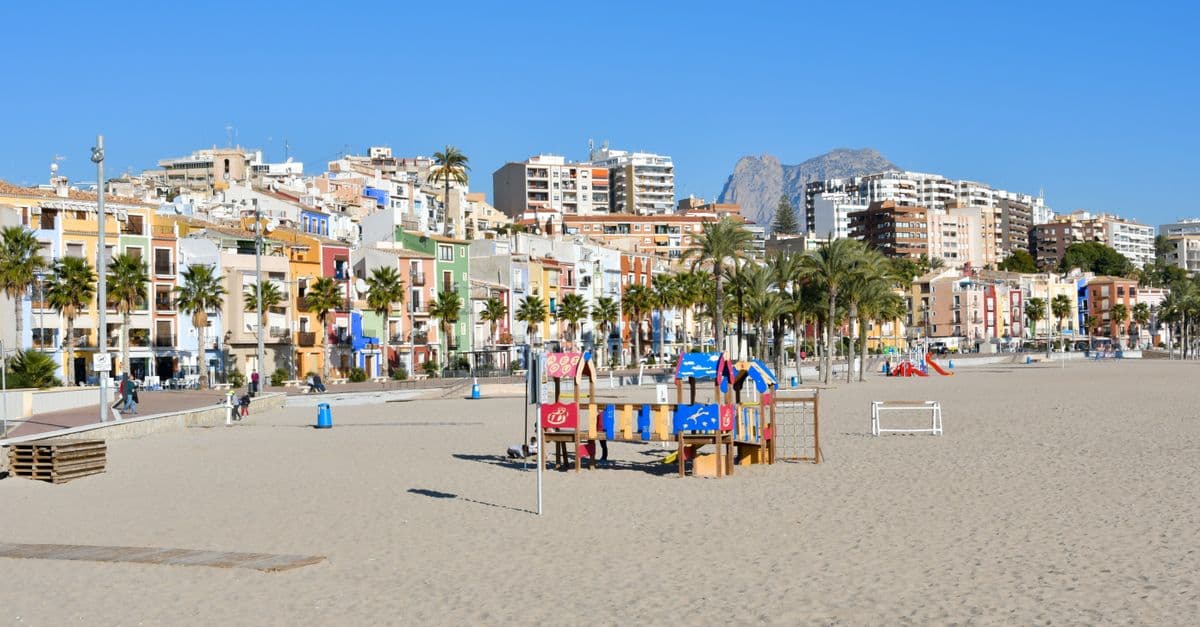
The mistake people make — and why it costs you money
Most Brits, Canadians and Americans start looking at Alicante and the Costa Blanca, see photos of beaches and expat bars, then assume that’s the Valencian Community. That’s the expensive half. The other half — inland towns and small cities — is where your pension stretches further, the summer crowds thin out, and life slows down.
If your priority is affordable housing, quieter streets and a genuine Spanish day-to-day, look inland. You’ll trade the daily sea view for lower prices, a stronger sense of community and, usually, better value for services. That trade-off is worth it for most people I know who’ve retired here. But it isn’t free: prepare for narrower streets, fewer English speakers, and the need for a car.
Where to look — specific towns and what your money buys
Below are places I recommend by province. These are working picks, not glossy listings: towns with a touch of services (supermarket, health centre, at least one pharmacy), a market day and a train or decent road link to a city.
Province of Valencia
Xàtiva — a medium-size town with a castle, a lively market and prices lower than Valencia city. Good cafes, a hospital in town and trains to Valencia in under an hour.
Ontinyent — an attractive, affordable town in the Albaida valley. A proper town centre, reasonable rents and a strong local life.
Province of Alicante (inland)
Alcoy (Alcoi) — industrial history, narrow streets and a valley setting. It’s green, cheaper than coastal Alicante, and has private clinics plus a public hospital nearby.
Pinoso and Villena — small, quiet towns where you’ll pay noticeably less for both rent and homes than on the coast; good for people who want a village pace but need a weekly market and a bar.
Province of Castellón
Segorbe and Morella — more rural, especially Morella (mountain town). If you like very small, very Spanish places and don’t need daily amenities, look here. Winters are cooler.
Requena (technically near the Valencia border) — a wine town with good rail links to Valencia and Madrid, unexpectedly lively and reasonably priced.
These towns suit different budgets. Rent ranges (as of 2026) are roughly: small one-bed flats from €350–€650, two-bed from €550–€900 depending on size and proximity to the centre. If you’re buying, inland resale prices commonly run 30–50% below comparable coastal towns, but always check current listings for a specific town.
Day-to-day costs and what to expect
Living costs fall into three buckets: housing, utilities & services, and transport. Housing is where you save most. Utilities in older inland houses can be higher in winter if they rely on electric heating — see /en/housing/spain-heating-winter-homes for options. A regular weekly shop in a supermarket will cost less than on the coast; eating out is often cheaper too, especially menú del día lunches in working towns.
Healthcare: every town listed has a centro de salud (primary care centre). For specialist care or big hospitals you may be 30–60 minutes away by car; that’s normal. If you arrive on a non-lucrative visa remember you need private insurance to get the visa and usually until you register for public coverage. Read the practical notes at /en/healthcare/healthcare-valencia-retirees and check the official visa detail at exteriores.gob.es.
The social reality — English speakers, clubs and winter life
Unlike the coastal strips, many inland towns have very small English-speaking communities. You’ll find one or two cafes with expats, but mostly you’ll be among Spanish families and older locals. That’s the point for many retirees: you actually get to learn Spanish and be part of local life.
Expect markets to be important. Market day is when you meet neighbours, hear local politics and buy produce. You’ll find cultural clubs — theatre, choirs, local fiestas — that happen all year. But in January and February the town can feel quiet; some bars close midweek. If you need a busy social calendar, plan to travel to the nearest city a couple of times a week.
Transport and the thing nobody warns you about
Nobody tells you loudly enough that inland retirement in the Valencian Community usually means car dependence. Public transport exists, but it’s limited: a bus or regional train once or twice a day is common in smaller towns. If you’re picturing short walks to shops and clinics without a car, you’ll be disappointed.
Cars bring other realities: you’ll navigate narrow medieval streets, need to arrange local parking (residents’ permits in some centres), and handle maintenance — mechanics are fine, but often only a few speak English. If you don’t want to drive, pick a town with direct train links to a city (Xàtiva, Requena) or accept living in the town centre where everything is within walking distance.