Spend more than 183 days a year in Tenerife and you'll normally be a Spanish tax resident — that changes how your pensions, bank accounts and even inheritance are taxed.
What living in Tenerife actually feels like
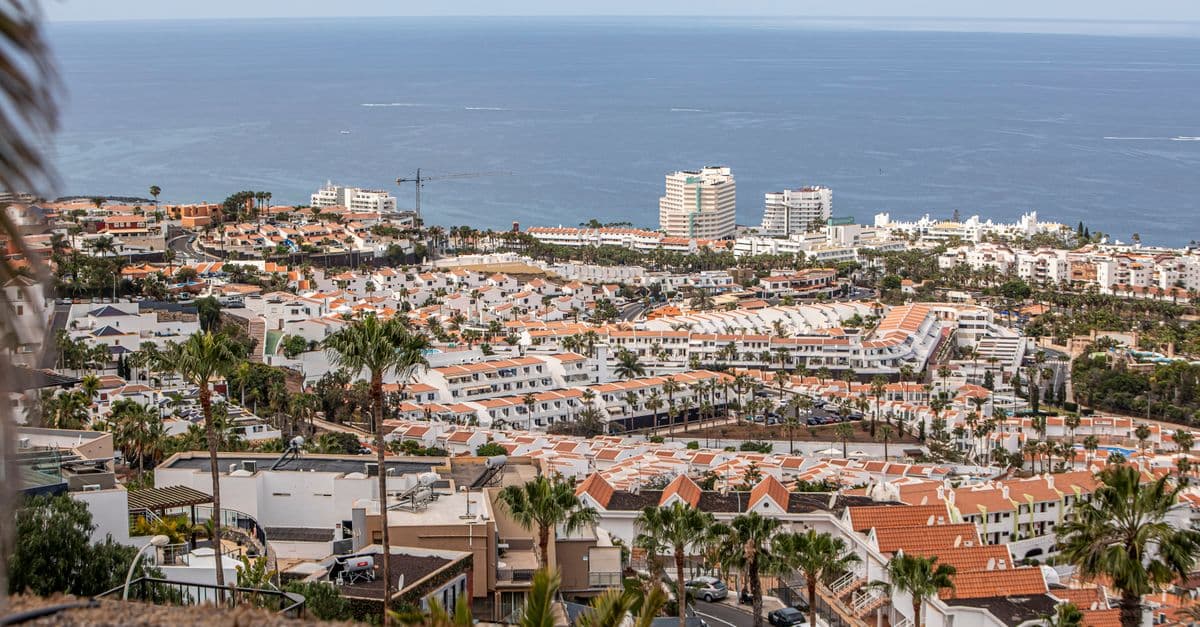
Tenerife is two islands in practice: the southern coast (Costa Adeje, Los Cristianos, Playa de las Américas) which is dry, sunny and tourist-focused, and the north (Puerto de la Cruz, La Laguna, Santa Cruz) which is greener and cooler. Most people live in one of those belts; inland is volcanic, beautiful and very quiet.
Daily life is relaxed. Shops close for a long lunch in smaller towns. Service is unfussy. English is widely spoken in the south and in tourist areas; less so in the north and rural villages. Expect reliable supermarkets, frequent markets for fruit and fish, and a good selection of private clinics and dentists in major towns.
Two practical notes worth knowing up front: the island is small but driving distances can be slow because of winding roads and traffic in the south in winter; and weather varies by neighbourhood—microclimates are real. You can be wearing shorts in Adeje and a jumper an hour later in La Orotava.
Which zones suit which budgets
Pick a neighbourhood based on the life you want, not just the price. Here’s how I’d split the island for most retirees.
Comfortable/expat-friendly (you’ll pay for the convenience)
- Costa Adeje / Playa de las Américas / Los Cristianos — sunny beaches, English-speaking services, private clinics and international restaurants. Expect to pay a premium for sea views and holiday-standard apartments.
- Santa Cruz de Tenerife — the capital. Better for long-term living than pure resort life: shops, hospitals, theatres and shorter flights to the peninsula. Prices are higher in central, quieter in outer districts.
- La Laguna — historic centre, university vibe, good cafés and cultural life. Polished, walkable and slightly cooler than the south.
Moderate to budget (good value, more local life)
- Puerto de la Cruz — the old tourist town in the north. Greener, cheaper than the south, and quieter in winter. Good for walkers and people who prefer fewer package tourists.
- El Médano — wind-sports community near the airport, relaxed and popular with active retirees.
- Smaller towns inland (Güímar, La Orotava outskirts) — lower prices, stronger Canarian culture, but you’ll need a car.
Rent ranges are variable; as of 2026 expect one-bedroom apartments from roughly €600–€1,200/month depending on area and season, and two-bed flats from €800–€1,800. If you intend to buy, budget for asking price plus roughly 10–13% in taxes and fees on top — read up on buying costs in Spain before deciding: /en/housing/buying-property-spain-foreigners and /en/housing/renting-vs-buying-spain-retirees.
Day-to-day costs and banking
How much you spend depends on lifestyle. For a modest but comfortable life you should budget the equivalent of about €1,400–€2,200/month for a couple as of 2026 — rent being the largest single item. If you want restaurants, private clinics, and regular travel to the mainland, add more. For a detailed breakdown see our broader Spain cost guide: /en/finance-tax/cost-of-retiring-spain-budget.
Opening a Spanish bank account is straightforward once you have an NIE and residency; many banks now accept remote applications but expect in-branch ID checks later. See /en/finance-tax/opening-bank-account-spain for step-by-step notes. Credit cards may be accepted everywhere, but using a Spanish debit card avoids foreign transaction fees — a little thing that saves you money over a year.
Healthcare and the paperwork you actually need
If you’re on a non-lucrative visa you must show private health insurance without a large excess for the visa application — the consulate checks this closely. See /en/visas-legal/non-lucrative-visa-spain-uk-citizens or the general non-lucrative checklist: /en/visas-legal/non-lucrative-visa-documents-checklist.
Once you become resident and register with Seguridad Social you can access Spanish public healthcare. The island has two major public hospitals: Hospital Universitario de Canarias (La Laguna) and Hospital Universitario Nuestra Señora de la Candelaria (Santa Cruz), plus Hospital del Sur in Arona for the south — useful to know if you need specialist care quickly. For official details about public access and contributions see seg-social.es. If you hold an S1 (EU pensioners) start here: /en/healthcare/s1-form-uk-pensioners-spain.
Private insurance remains popular — quicker appointments, English-speaking doctors in the south and private clinics. If you’re over 65, compare policies carefully; premiums rise and some insurers exclude pre-existing conditions. Our guides on health insurance are a good read: /en/healthcare/health-insurance-over-65-spain and /en/healthcare/best-health-insurance-expats-spain.