You step out of the short-term flat you booked and the first thing you notice is the sound: restaurant plates being cleared, a tram chuffing past, and a woman sweeping the stairwell. You’ve got two weeks before your long-term tenancy starts. What do you check in those two weeks that you didn’t read about in the brochure?
What living in Alicante actually feels like
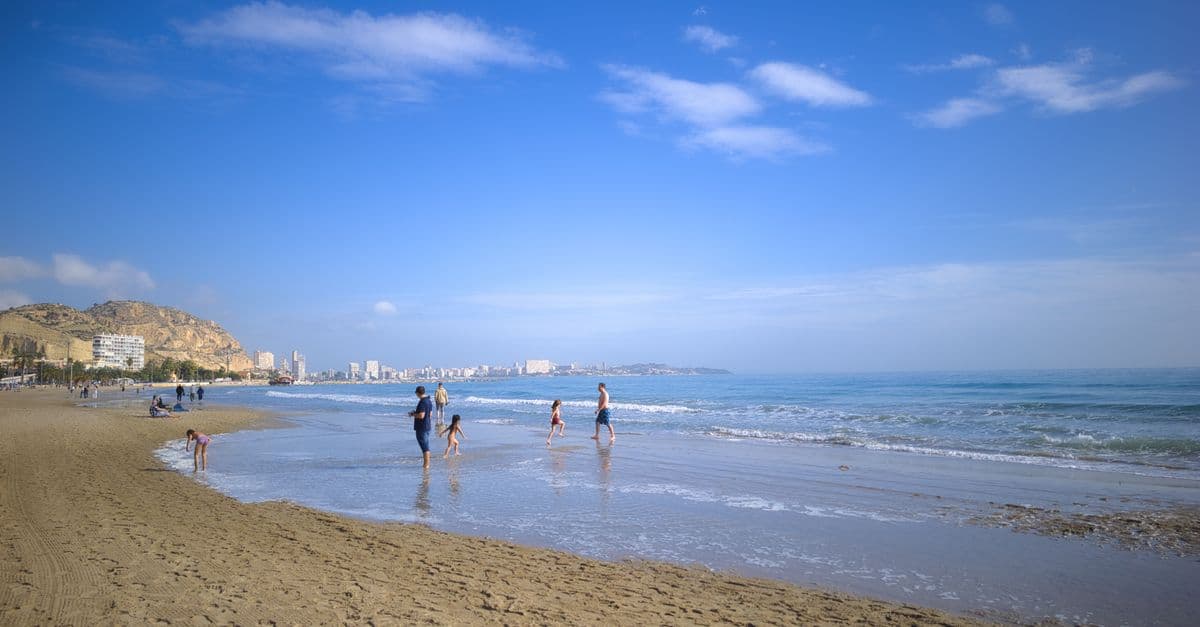
Alicante is compact and coastal, but the experience varies wildly by street. The central Old Town (El Barrio and around the Explanada) is lively, easy-to-walk and full of cafés and tapas bars. The beach stretches out a short tram ride from central Alicante to Playa de San Juan, which feels altogether more residential and quieter in winter.
Expect real seasons: hot, humid Augusts where the city empties in the afternoons; mellow, sunny winters when the bars are mostly local regulars; and heavy tourist pressure from late May to early October. If you want a steady calm, avoid blocks that advertise heavily for short-term lets—those buildings change atmosphere depending on the season.
Transport is simple: short taxis, a reliable tram line to San Juan and El Campello, and the Alicante–Elche airport 10–20 minutes away by car. But don’t assume everything is English-friendly. In hospital emergency departments and municipal offices you’ll be better off with at least some Spanish or a patient friend who speaks it.
How much you’ll pay (realistic ranges, as of 2026)
Numbers move, but here are what you’ll see on the market in 2026. These are monthly rents for furnished flats on a one-year contract. Check listings and the local estate agents for current prices.
- Small 1-bed in central Alicante (El Barrio/Explanada): €650–€1,100.
- 1–2 bed in Playa de San Juan or Cabo de las Huertas (seafront areas): €800–€1,500.
- Older 1-bed in Benalúa/Carolinas or San Blas (working-class districts): €500–€800.
- Townhouses or larger 2–3 bed in suburbs like Mutxamel/El Campello: €700–€1,200.
- Smaller towns on the Costa Blanca (Torrevieja, Villajoyosa, Guardamar): €500–€900.
On top of rent expect a deposit (fianza) of one month for long-term lets, sometimes two months for landlords who want extra security. Agency fees are still common in Alicante: ask clearly who pays them — the tenant is often charged one month’s rent plus VAT. Comunidad (building) fees and rubbish taxes are sometimes included, sometimes not; ask before you sign.
Monthly living costs besides rent (two-person household): groceries €300–€450, utilities and electricity €80–€160 (electricity spikes if you use air conditioning in summer), internet €30–€45, local transport and occasional taxis €40–€80. Expect higher electricity bills in August if you run AC.
Which neighbourhood suits which budget and lifestyle
Pick a neighbourhood for the days you want to live, not the postcards. Here’s how I’d recommend them by priority.
For walking everywhere and a social life: El Barrio, Centro
Best if you want short walks to cafés, the promenade and a lively evening scene. Flats are often older and smaller; expect stairs and narrow windows. Noise is real at night — pick a top-floor corner apartment if you need silence. Good for singles or couples who like to be in the middle of things.
For beach, space and calmer streets: Playa de San Juan, Cabo de las Huertas
More modern blocks, more terraces and bigger shops. San Juan is a proper residential beach town with a different pace from the centre. The tram connects you to the city in 20–30 minutes. Expect to pay more for sea views or proximity to the sand.
For value and local life: Benalúa, Carolinas, San Blas
These areas are closer to typical Spanish life — bakeries at dawn, markets, and fewer tourists. If you want cheaper rent and don’t need a sea view, look here. It’s authentic and noisy in a different way: early-morning deliveries, kids at school, people who’ve lived there 30 years.
For quieter suburbs and driving retirees: Mutxamel, El Campello, Muchamiel
You get a bit more space for your money and family-sized shops. Good if you want a car, a quieter street and easy parking. Many retirees pick these towns as a mid-point between city services and a calmer life.
For heavy expat amenities: Torrevieja, Guardamar, Villajoyosa
If you want an English-language dentist, British pubs and weekly expat meet-ups, towns south and north of Alicante have concentrated services — sometimes at the cost of a more seasonal, tourist-driven economy. Healthcare is available, but check the local clinics for English-speaking staff first.
Healthcare and practical access — how to be covered
If you’re on a non-lucrative visa you must have private health insurance for the visa and until you can register with the Spanish system. Policies acceptable to consulates vary — insurers that cover repatriation and have no excess tend to be favoured. Read your policy carefully; the consulate will.
Once resident and either contributing to social security or registered through the residency system, you can use the public health service. Alicante province has a decent public hospital network and many private clinics where English is common in expat areas, but don’t expect universal English. If language is a concern, pick a GP in an area where clinics list English-speaking staff.
Official details on social security and how residence links to healthcare are at the Seguridad Social site: seg-social.es. For practical notes about expat healthcare on the Costa Blanca see our guide to healthcare for Costa Blanca retirees.
Pros and cons
Pros
- Sun for long stretches of the year and a mild winter that’s genuinely kinder than northern Europe.
- Short distances: you can walk most errands in the centre, and the tram makes the beach genuinely commutable.
- Good private and public healthcare within easy reach of the city.
- Choice of neighbourhoods: from lively Old Town to quiet beach suburbs.
- Value if you avoid the flashier beachfront addresses — inland suburbs give much more space for the same money.
Cons
- August heat and noise. If you’re sensitive to high temperatures, summer can be uncomfortable indoors unless you pay for air conditioning.
- Tourist crowds and short-term lets in some blocks. Buildings with many holiday flats feel very different in winter.
- Language friction in some municipal offices and medical settings unless you seek English-speaking professionals.
- Paperwork slows everything down: utilities, internet and even some rental contracts require NIE, empadronamiento or extra documents.