Finance & Tax
Pensions, double taxation, residency thresholds and moving money between countries.

Gestor vs tax advisor in Spain: who retirees actually need
If you spend more than 183 days in Spain in a calendar year you become a Spanish tax resident — that single fact is what decides whether a local gestor will do or you truly need a tax advisor (asesor fiscal). Practical comparison, costs, traps and who to hire for the first year.

Canary Islands tax differences: IGIC and living costs for retirees
Many expect the Canaries to be noticeably cheaper because IGIC is lower than mainland IVA. That’s true for some shopping — but not for everything. This guide explains where the savings are real, what people don’t warn you about (shipping, online VAT, vehicle import), and the practical checklist retirees need.

How Spain taxes rental income from property you kept abroad
If you move to Spain and keep a buy-to-let back home, Spanish tax law doesn’t forget it. You must declare that rental income on your Spanish tax return, claim foreign tax credits correctly and watch the Modelo 720 and wealth-tax consequences.

Non-resident tax in Spain for foreign property owners: what you actually owe and how to deal with it
If you own a Spanish property but aren’t a tax resident, Spain still taxes the property and any income it produces. This guide explains the forms (Modelo 210), the imputed‑income rule, rental rules, sale withholding, who must appoint a fiscal representative, deadlines, and the one surprise that trips people up.

Capital gains tax in Spain when you sell your home abroad after moving
You move to Spain, register as a resident, then sell the house back home. Spain taxes residents on worldwide gains — which can be a nasty surprise. This guide walks you through residency timing, double-tax relief, the paperwork you need and the exact next move to avoid paying twice.

Exchange-rate risk when living in Spain on a foreign pension
Don’t assume your pension in sterling/dollars equals the euro amount on the day you land. Exchange rates and bank charges can cut your monthly income — and some headaches only show up after the first transfer. This guide explains the risk, what Spanish residency and tax rules change, the documents banks ask for, and the concrete steps to reduce losses.
Not sure how this applies to your situation?
Answer a few questions and we’ll add the tax steps that actually apply to you — where you’ll be resident, what your pension pays, and what to do before you leave.

First-year tax calendar for new residents of Spain
Most newcomers assume 'I’ll sort taxes next year.' Don’t. If you become a Spanish tax resident you could be reporting worldwide income and overseas assets within months. This guide gives the forms, deadlines and a simple month-by-month calendar for your first 12 months.

Wills and estate planning for foreign residents in Spain
Most expats assume their home-country will is enough. It often isn’t. You need at least one Spanish will for Spanish assets, a clear decision about which law governs your succession, and a plan for the inheritance tax differences between regions.

Receiving US Social Security payments while living in Spain
Yes — you can receive US Social Security while living in Spain. This guide explains how to set up payments, what paperwork you’ll need, how Spain taxes (or doesn’t) the benefit, what nobody warns you about, and the practical steps once you become a Spanish tax resident.

Receiving the UK state pension while living in Spain: what actually happens
Moving to Spain doesn't mean your UK State Pension disappears — but what you expect (annual increases, easy Euro payments, no Spanish tax) is often wrong. This guide explains payment routes, uprating rules after Brexit, the documents you'll need, tax reporting in Spain and which steps are worth paying a gestor or lawyer to handle.

Spain vs Portugal taxes for retirees compared
Most people pick Spain or Portugal because of climate and cost of living — then discover taxes reshape the arithmetic. This guide compares pension taxation, NHR, wealth and property taxes, the common traps (Modelo 720, residency day-counts) and gives a practical verdict: who should choose Spain, who should choose Portugal.
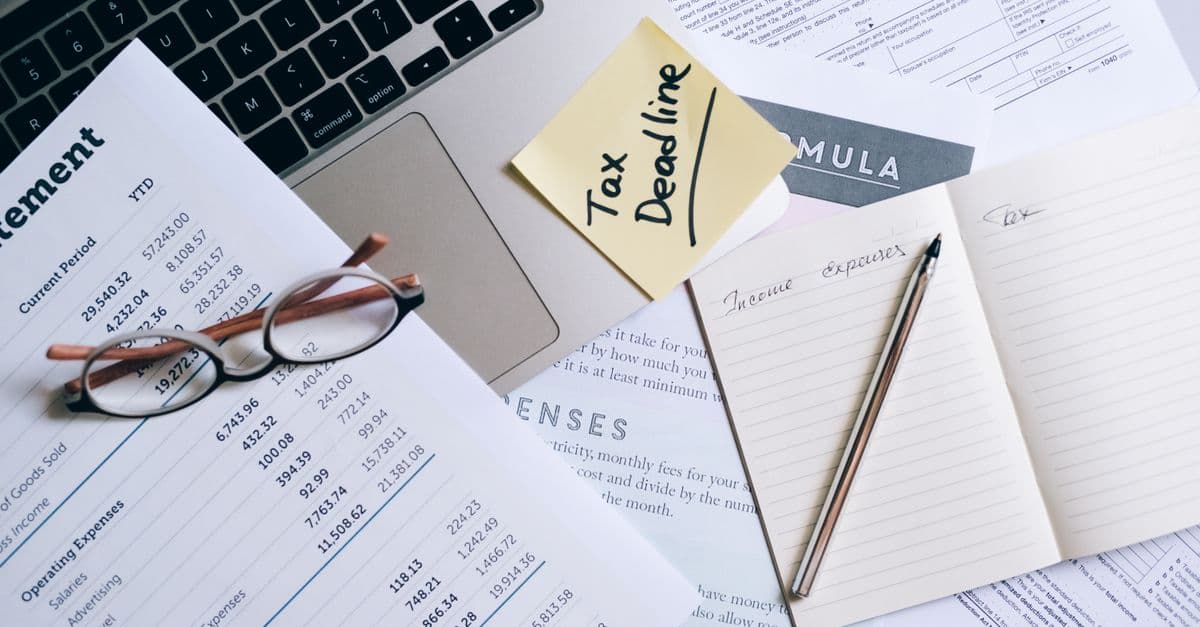
Filing the Spanish annual tax return (la renta) as a foreign retiree
Yes — if you’re a Spanish tax resident you must usually file the annual income tax return (Modelo 100, “la renta”) and declare worldwide income, including most pensions. This guide tells you which form applies, the documents you’ll need, how to file (Renta Web, Cl@ve, gestor), realistic timings and the common traps for foreign pensions.

Transferring retirement money to Spain: banks vs Wise vs currency brokers
If you think moving your pension to Spain is just a bank transfer, think again. This guide compares Spanish banks, Wise (and similar fintechs) and regulated currency brokers for cost, speed, paperwork and risks — and tells you which to pick for small monthly pensions, lump-sum deposits and property purchases.

Inheritance tax in Spain for foreign residents and their heirs
Don’t assume Spanish inheritance tax is a single national tax with one allowance. It’s regional, depends on where the deceased or the property was resident, and can swing from almost nothing to a five‑figure bill for the same estate. Here’s what to check, what documents you need and the concrete actions to take now.

Modelo 720: declaring foreign assets as a Spanish resident
Many retirees think Modelo 720 is a box-ticking extra. It isn’t. If you’re tax resident in Spain and hold foreign bank accounts, property, securities or insurance rights over €50,000, you must declare them by March 31 — and the fines are painful. This guide gives the rules, the documents and a step-by-step checklist.

Spanish wealth tax and the solidarity tax for foreign retirees
We often assume wealth tax is rare or meaningless for retirees. The reality: if you become a Spanish tax resident and your net worth is high, you must declare worldwide assets, may hit regional top-ups called "solidarity" surcharges, and must file Modelo 714 and possibly Modelo 720. Here’s what to check now.

UK–Spain double taxation treaty explained for retirees
Most people assume a treaty means "you won't pay tax twice" and that's the end of it. The treaty reduces double taxation — but it doesn't replace Spain's residency rules, nor does it stop your UK pension administrator or Spanish tax office withholding tax while you sort paperwork. Here's how it actually works, the documents you'll need and the practical steps that save you real money.

US–Spain double taxation treaty explained for retirees
A clear, practical guide for US citizens retiring to Spain: what the US–Spain tax treaty actually does, where it helps (pensions, credits), where it doesn’t, the paperwork you need, and the three things to do this month to stop unnecessary withholding.

How Canadian pensions (CPP) and RRSPs are taxed when you retire in Spain
Move to Spain and expect Spanish tax on your worldwide income. CPP and RRSP money are not exempt simply because they come from Canada. This guide explains what Spain will tax, how to claim relief for Canadian withholding, the paperwork you need and the realistic timelines.

How much money you need to retire in Spain: realistic budgets
A practical look at what people actually spend in the first year and beyond: visa proof, private health cover, housing (rent vs buy), taxes and moving costs, with region-by-region monthly budgets and a documents checklist.

Opening a Spanish bank account as a foreign retiree
Yes — you can open a Spanish bank account as a foreign retiree. How and when depends on whether you’re a non‑resident, arriving on a visa, or already registered as a Spanish resident. This guide walks you through the paperwork, the timing, costs to expect and the common pitfalls no one warns you about.

How UK pensions are taxed when you retire in Spain
If you become a Spanish tax resident your UK private and occupational pensions are generally taxable in Spain; the UK State Pension is usually taxable only in the UK under the double‑tax treaty. Here’s what to expect, the forms you’ll need and the concrete steps to avoid surprise bills.

How Spain taxes US retirement accounts: 401(k), IRA and Roth
If you move to Spain you don't get to keep US tax labels. Spain taxes residents on worldwide income, so 401(k) and traditional IRA withdrawals are normally taxed in Spain, and Roths are trickier than you think. Here's what to expect, what to file and the documents you must gather.

Is US Social Security taxed in Spain? A practical guide for retirees
Short answer: for Spanish tax residents, US Social Security is generally taxed only in the United States under the US–Spain tax treaty. But you still must report the benefits on your Spanish tax return, supply the right documents and understand the exceptions.

Spanish tax residency and the 183-day rule for retirees
Many retirees assume 183 days is a simple on/off switch: more days = Spanish tax resident, fewer = not. Not true. Spain uses three tests, counts days in a particular way, and loves local registrations (padrón, NIE) as evidence. Read what counts, what to keep, and the single next action you should take.